
Burgundy Wine
The heart of French Fine Wine
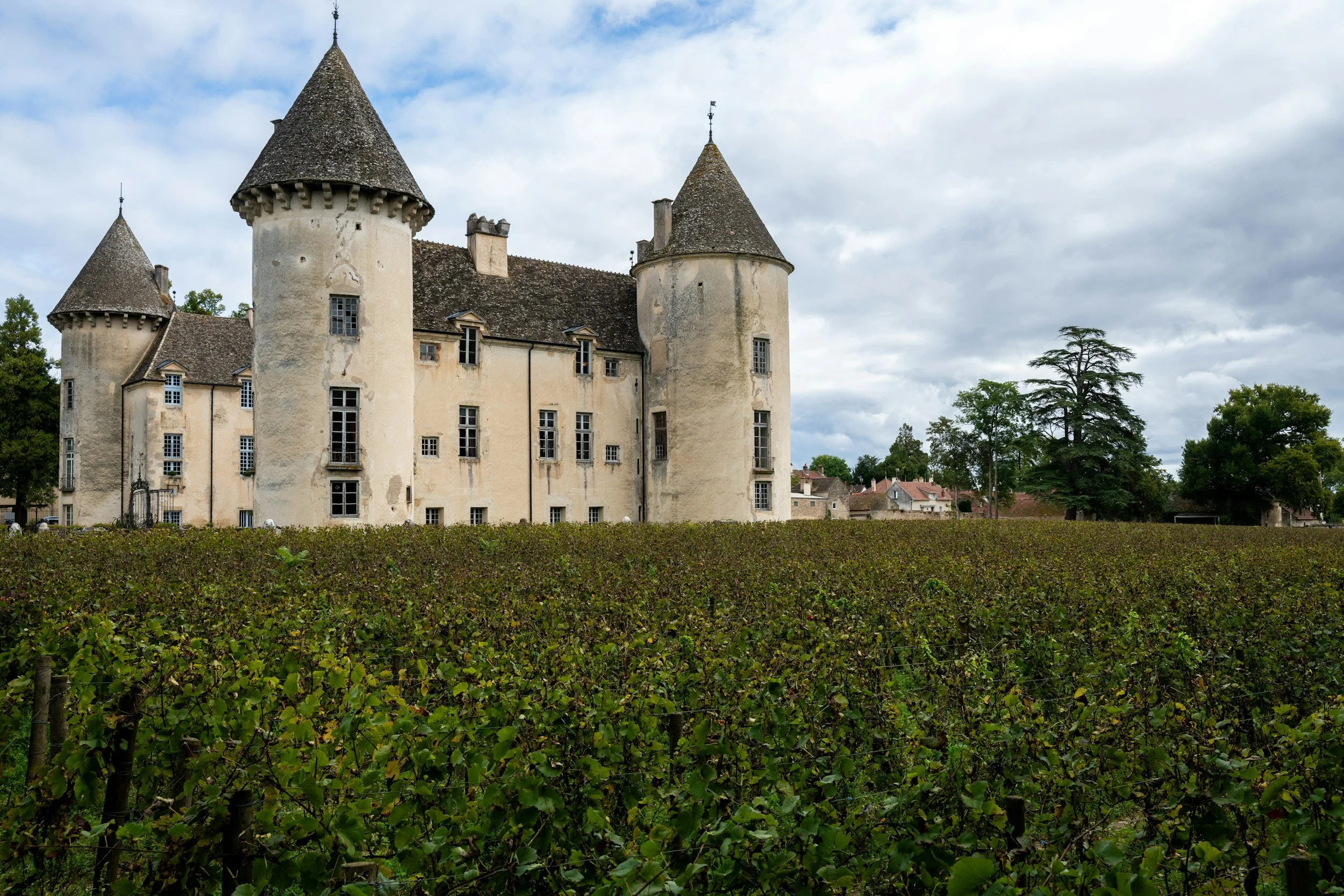
Burgundy (or Bourgogne, as it is known in France) is one of the world's most revered wine regions. Situated in eastern France, Burgundy is the birthplace of some of the finest Pinot Noir and Chardonnay ever produced. With a winemaking history stretching back more than a thousand years, the region is celebrated for producing wines of remarkable elegance, complexity, and sense of place.
Unlike many wine regions where producers blend fruit from multiple vineyards, Burgundy places extraordinary emphasis on terroir—the unique combination of soil, climate, elevation, and aspect that gives every vineyard its own distinctive character. Even neighbouring vineyards can produce wines with noticeably different personalities, making Burgundy one of the most fascinating regions for wine lovers to explore.
Whether you're discovering Burgundy for the first time or adding sought-after bottles to your cellar, these wines represent the very best of French winemaking tradition.
The Burgundy region
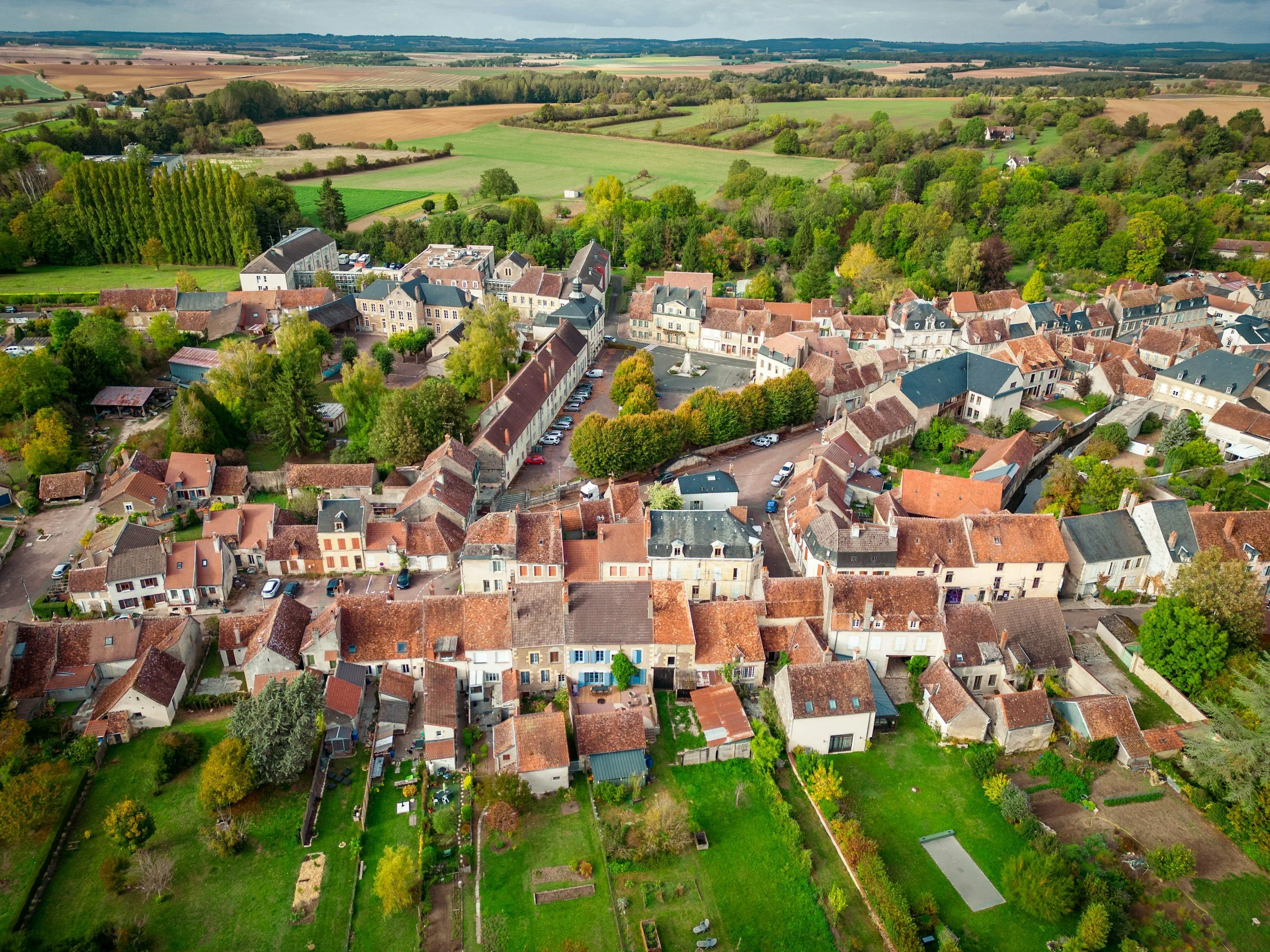
Located between Paris and Lyon, Burgundy stretches for around 250 kilometres through eastern France. The region is divided into several distinct sub-regions, each producing wines with its own style and identity.
The major wine-growing areas include:
Chablis – World-famous for crisp, mineral-driven Chardonnay.
Côte de Nuits – Home to many of Burgundy's greatest Pinot Noir vineyards, including some of the world's most prestigious Grand Crus.
Côte de Beaune – Produces exceptional Pinot Noir alongside many of Burgundy's finest Chardonnay wines.
Côte Chalonnaise – Known for excellent value wines with classic Burgundian character.
Mâconnais – Produces approachable, fruit-driven Chardonnay, including the celebrated wines of Pouilly-Fuissé.
The region enjoys a cool continental climate, with warm summers and cold winters. Combined with limestone-rich soils, these conditions create wines known for their freshness, balance, and exceptional ageing potential.
Pinot Noir and Chardonnay: Burgundy's Signature Grapes
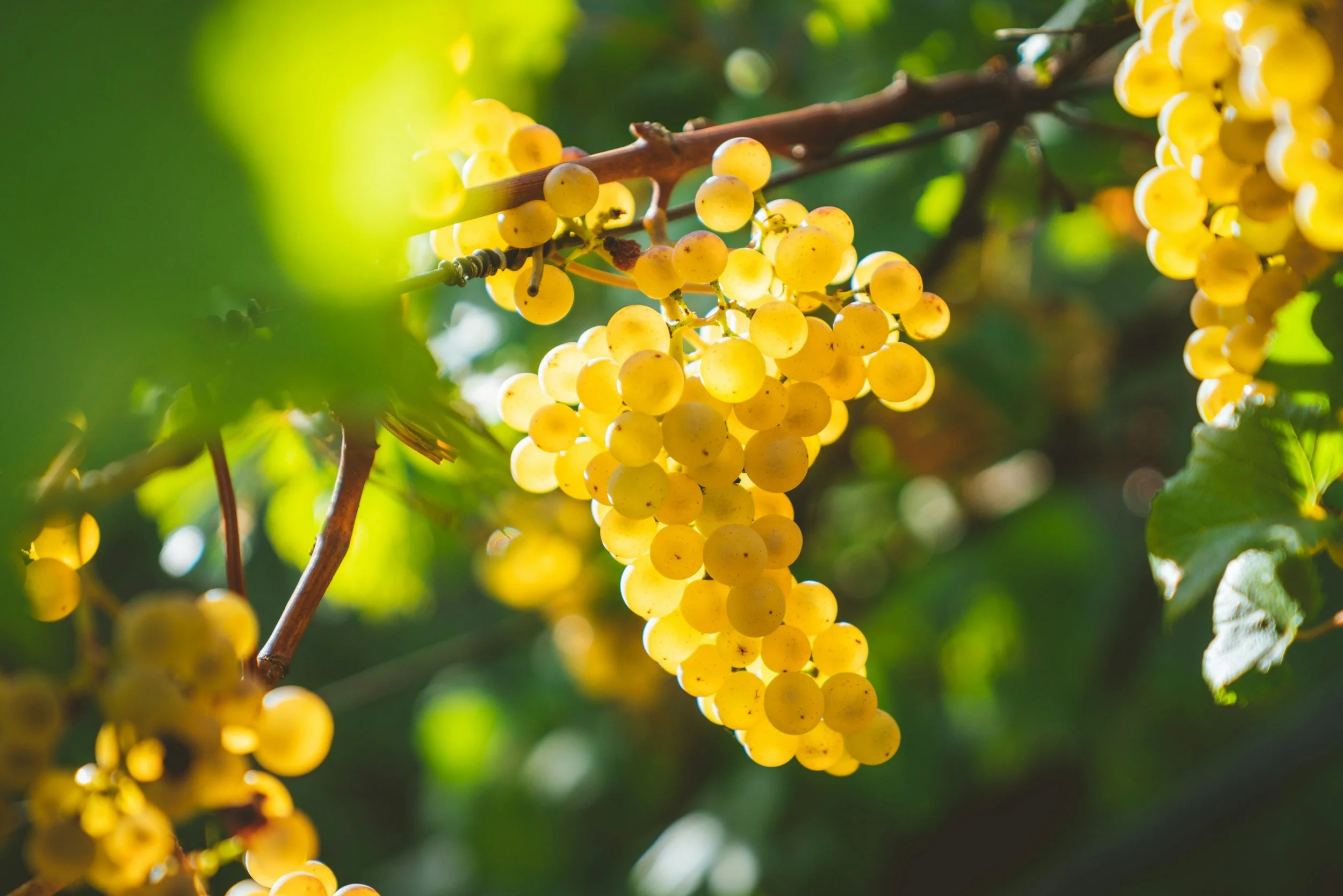
While many grape varieties are grown around the world, Burgundy has become synonymous with two of the most important.
Pinot Noir
Burgundy is considered the spiritual home of Pinot Noir. Here, the grape produces wines renowned for their elegance rather than sheer power.
Typical characteristics include:
Red cherry, raspberry and wild strawberry
Floral aromas of violet and rose
Earthy notes of forest floor, mushroom and spice
Silky tannins and vibrant acidity
Increasing complexity with bottle age
The finest examples are capable of developing for decades while maintaining remarkable freshness and finesse.
Chardonnay
Burgundy has also established the global benchmark for Chardonnay.
Depending on where it is grown, Burgundy Chardonnay can display:
Citrus and green apple
White peach and stone fruit
Hazelnut and almond
Flint, chalk and mineral notes
Rich texture balanced by vibrant acidity
From the steely wines of Chablis to the luxurious Grand Crus of the Côte de Beaune, Burgundy demonstrates the incredible versatility of Chardonnay.
Ageing and style
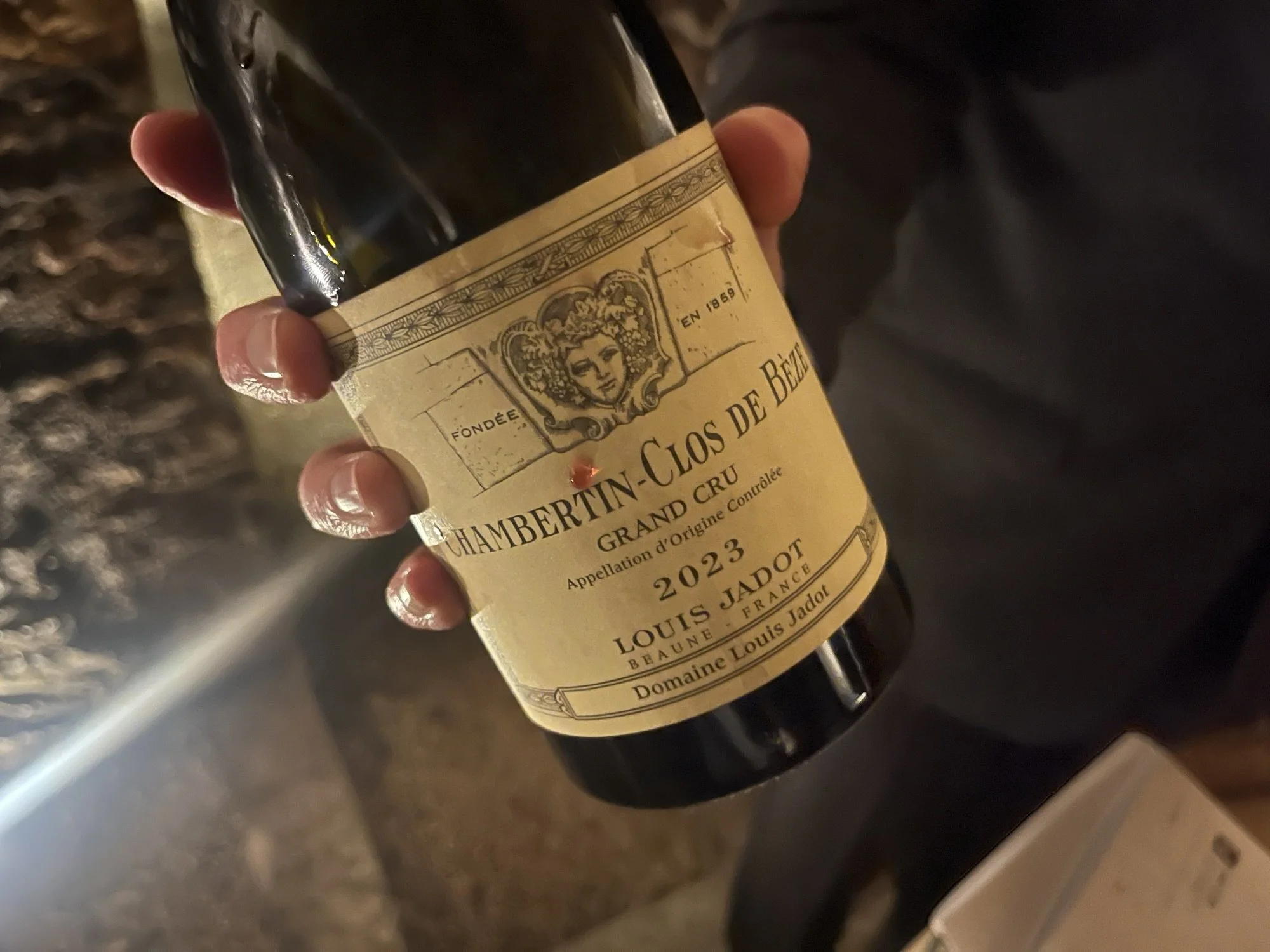
Burgundy wines are renowned for their elegance, balance, and ability to evolve beautifully with age. While many wines are enjoyable when young, the finest examples develop greater complexity over time.
Red Burgundy (Pinot Noir) typically begins with vibrant red berry, cherry, and floral notes before maturing into savoury flavours of forest floor, mushroom, truffle, and spice. White Burgundy (Chardonnay) evolves from fresh citrus and stone fruit to richer notes of hazelnut, brioche, honey, and flint.
Regional and village wines are often enjoyed within a few years of release, while Premier Cru and Grand Cru wines can reward careful cellaring for decades, revealing the remarkable depth and character that make Burgundy one of the world's most sought-after wine regions.
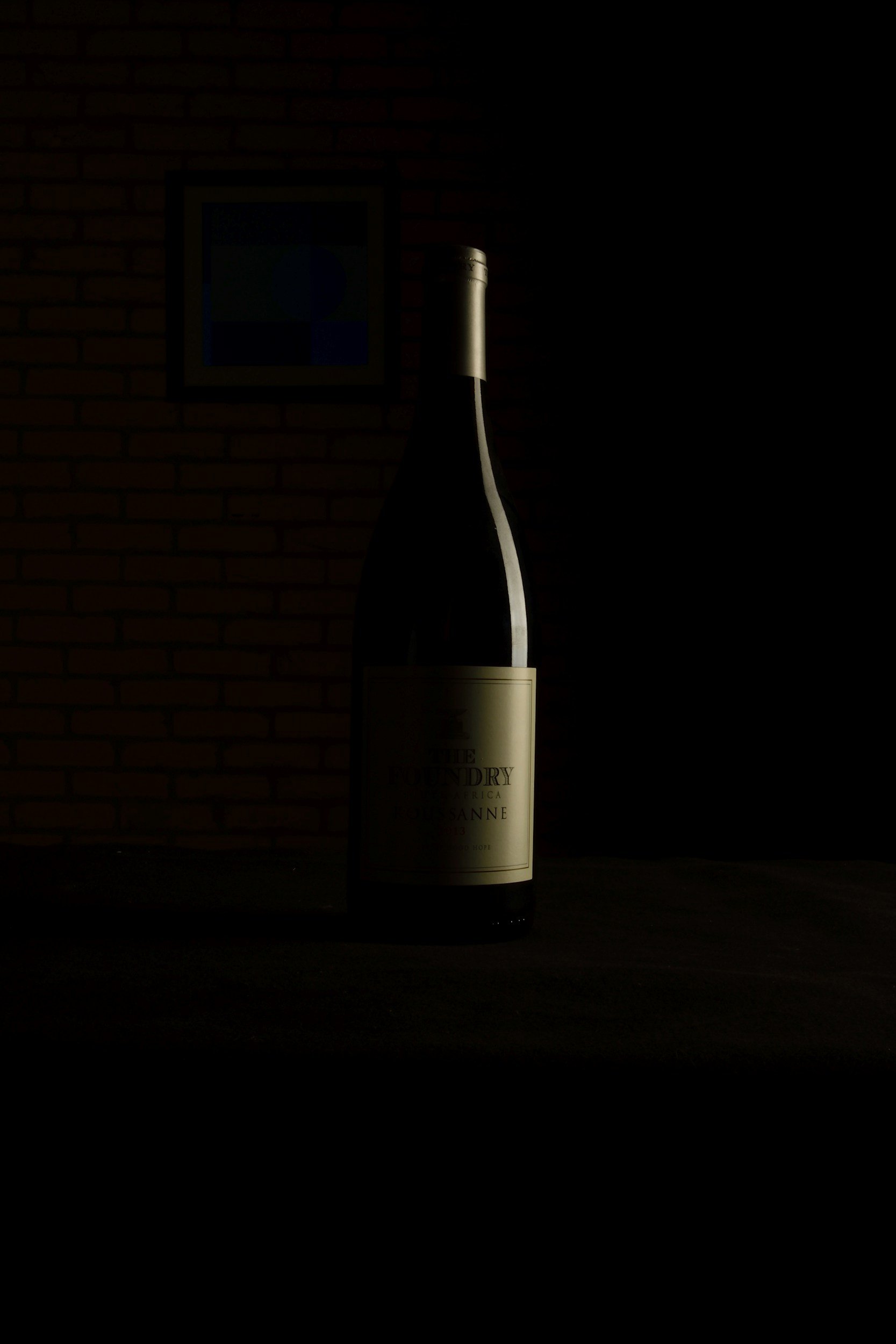
Understanding Burgundy Classifications
One of the defining features of Burgundy is its vineyard classification system. Rather than focusing on producers alone, Burgundy classifies wines according to the quality and reputation of the vineyard where the grapes are grown.
Regional Appellations
These wines carry the broad Bourgogne designation and provide an excellent introduction to the region.Village Wines
Produced within a specific village such as Gevrey-Chambertin, Meursault, or Puligny-Montrachet, these wines express the distinctive character of their local terroir.Premier Cru
Premier Cru vineyards represent some of the finest sites within each village, producing wines with greater concentration, complexity, and ageing potential.Grand Cru
At the pinnacle of Burgundy are the Grand Cru vineyards. Representing only around 1% of Burgundy's production, these legendary sites produce some of the most collectible and sought-after wines in the world.
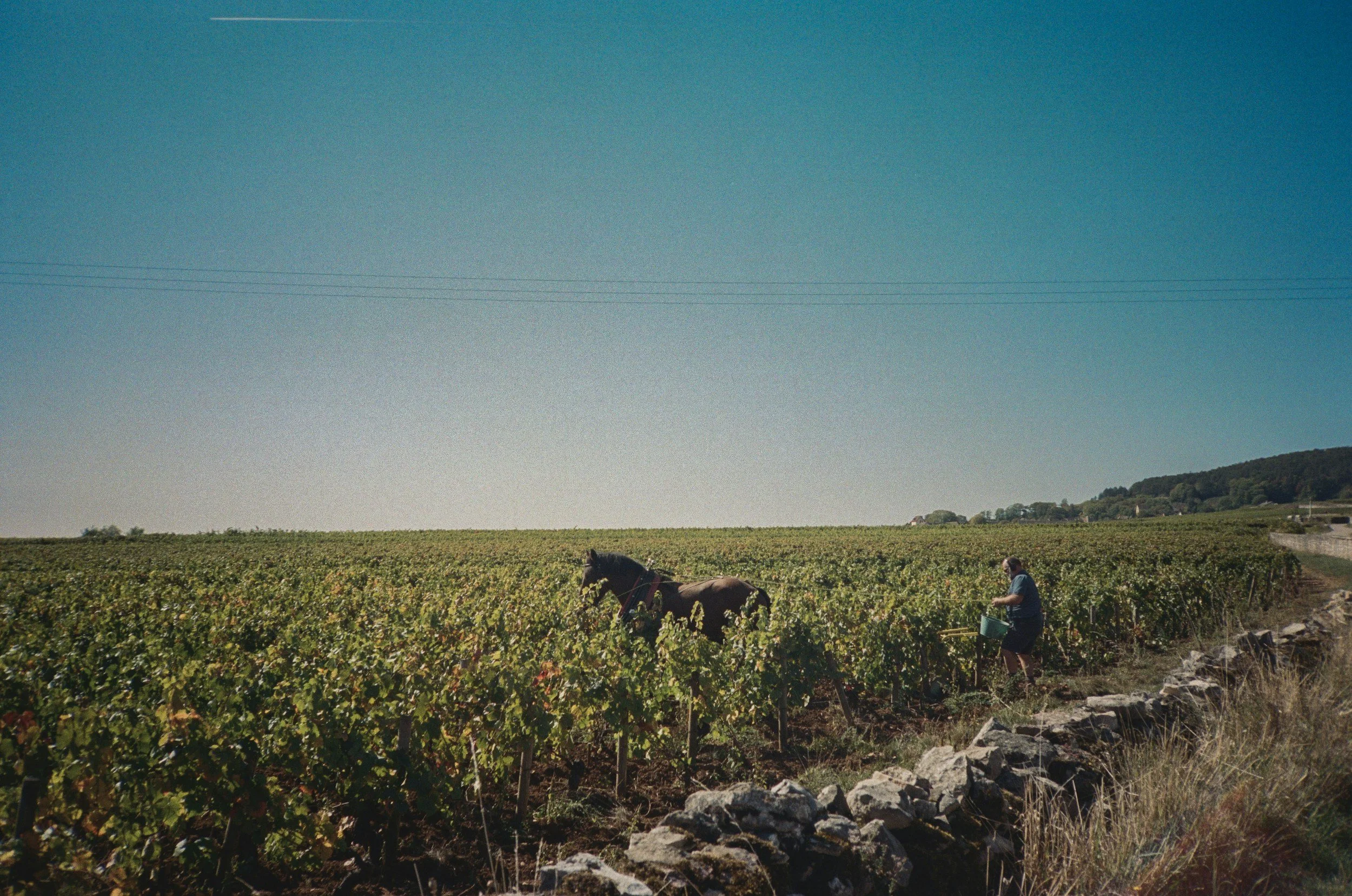
A region defined by Terroir
Nowhere is the concept of terroir more important than in Burgundy. Over centuries, growers have identified tiny vineyard parcels—known as climats—that consistently produce distinctive wines. These climats are so significant that they have been recognised as a UNESCO World Heritage Site.
Subtle differences in soil composition, slope, drainage, and sun exposure can dramatically influence the finished wine. As a result, two wines made from the same grape variety and produced by neighbouring vineyards may taste remarkably different.
For many collectors, exploring Burgundy is a lifelong journey of discovering these unique vineyard expressions.
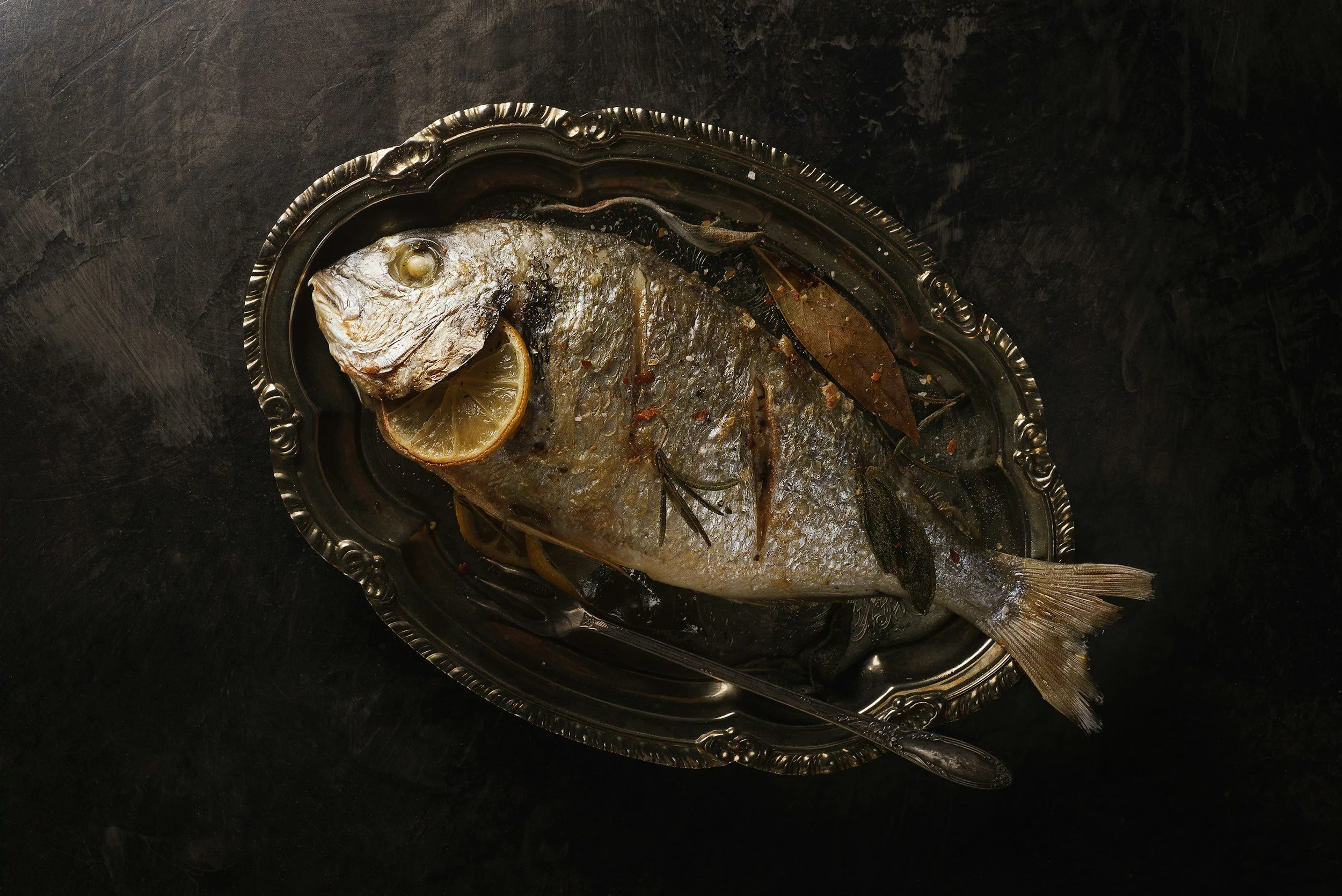
Food pairing with Burgundy wines
Burgundy's elegance makes it one of the world's most food-friendly wine regions.
Pinot Noir pairs beautifully with:
Roast duck and chicken
Beef Wellington
Roast lamb
Mushroom risotto
Charcuterie
Soft washed-rind cheeses
Chardonnay is an excellent match for:
Fresh seafood and oysters
Lobster and scallops
Roast chicken
Cream-based pasta dishes
Grilled fish
Comté and other hard cheeses
The region's natural acidity and balance allow Burgundy wines to complement food without overpowering it.
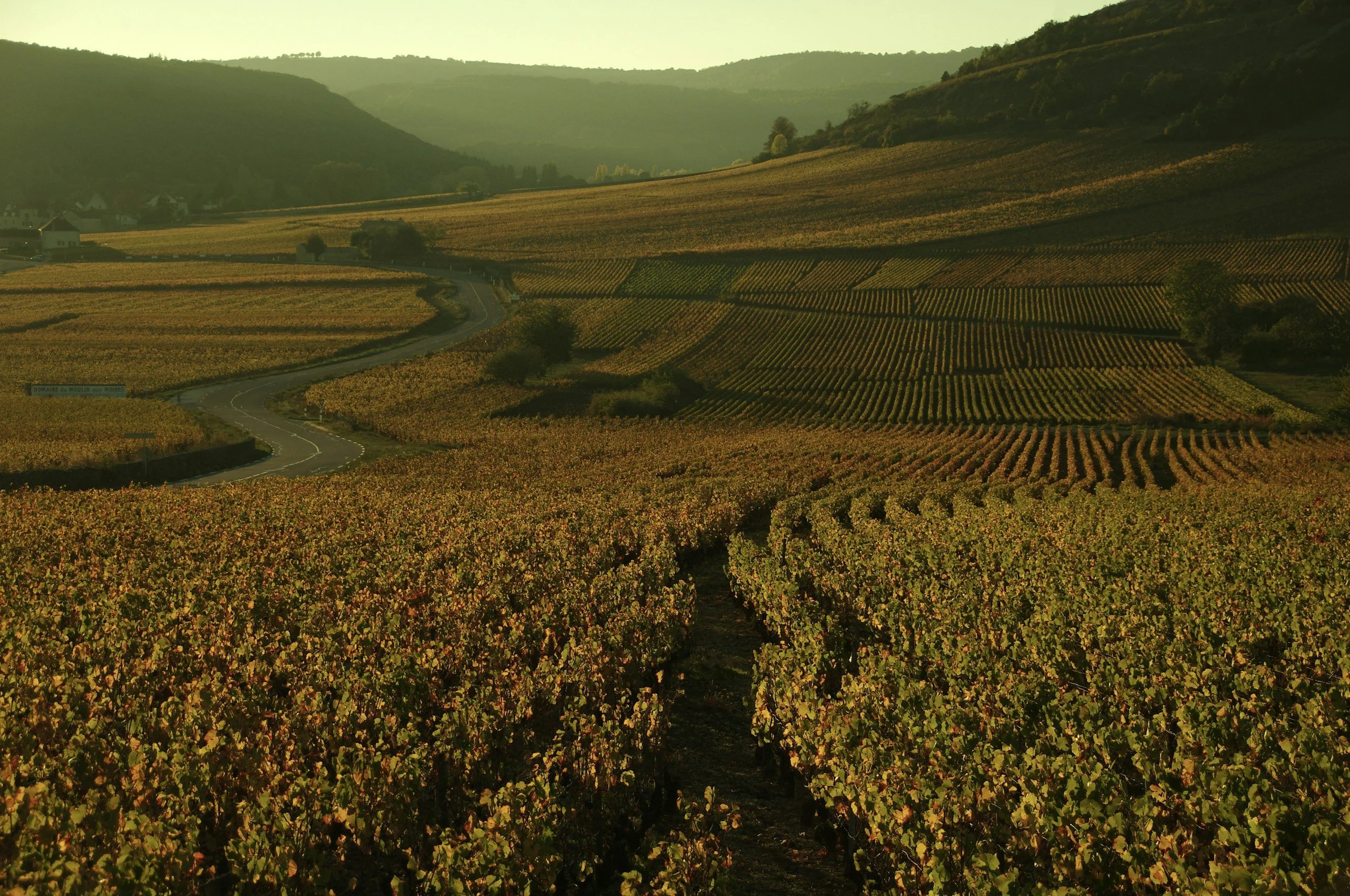
Why choose Burgundy?
For centuries, Burgundy has been regarded as one of the world's greatest fine wine regions.
Wine lovers value Burgundy for its:
Historic vineyards cultivated for over a thousand years.
Exceptional terroir, producing wines with unmistakable individuality.
World-class Pinot Noir and Chardonnay that set the global benchmark.
Outstanding ageing potential, with many wines improving for decades.
Collectability, with many producers and Grand Cru vineyards among the most sought-after in the world.
Whether you're seeking an approachable regional Bourgogne or an iconic Grand Cru for your cellar, Burgundy offers an extraordinary range of wines to discover.
FAQs about Burgundy
Where is Burgundy?
Burgundy is located in eastern France between Paris and Lyon. It is one of France's most famous and historic wine regions.
What grapes are grown in Burgundy?
The region is best known for Pinot Noir (red) and Chardonnay (white), although smaller amounts of Aligoté, Gamay, and other varieties are also grown.
What is Burgundy famous for?
Burgundy is renowned for producing some of the world's finest Pinot Noir and Chardonnay, along with its unique vineyard classification system and emphasis on terroir.
What is the difference between Burgundy and Bordeaux?
Burgundy focuses primarily on single grape varieties—Pinot Noir and Chardonnay—and individual vineyard sites, while Bordeaux is better known for blended wines made from varieties such as Cabernet Sauvignon, Merlot, and Sauvignon Blanc.
Can Burgundy wines be aged?
Yes. Many Burgundy wines improve significantly with bottle age. Premier Cru and Grand Cru wines from leading producers can develop beautifully for decades.
Shop for Burgundy wines online
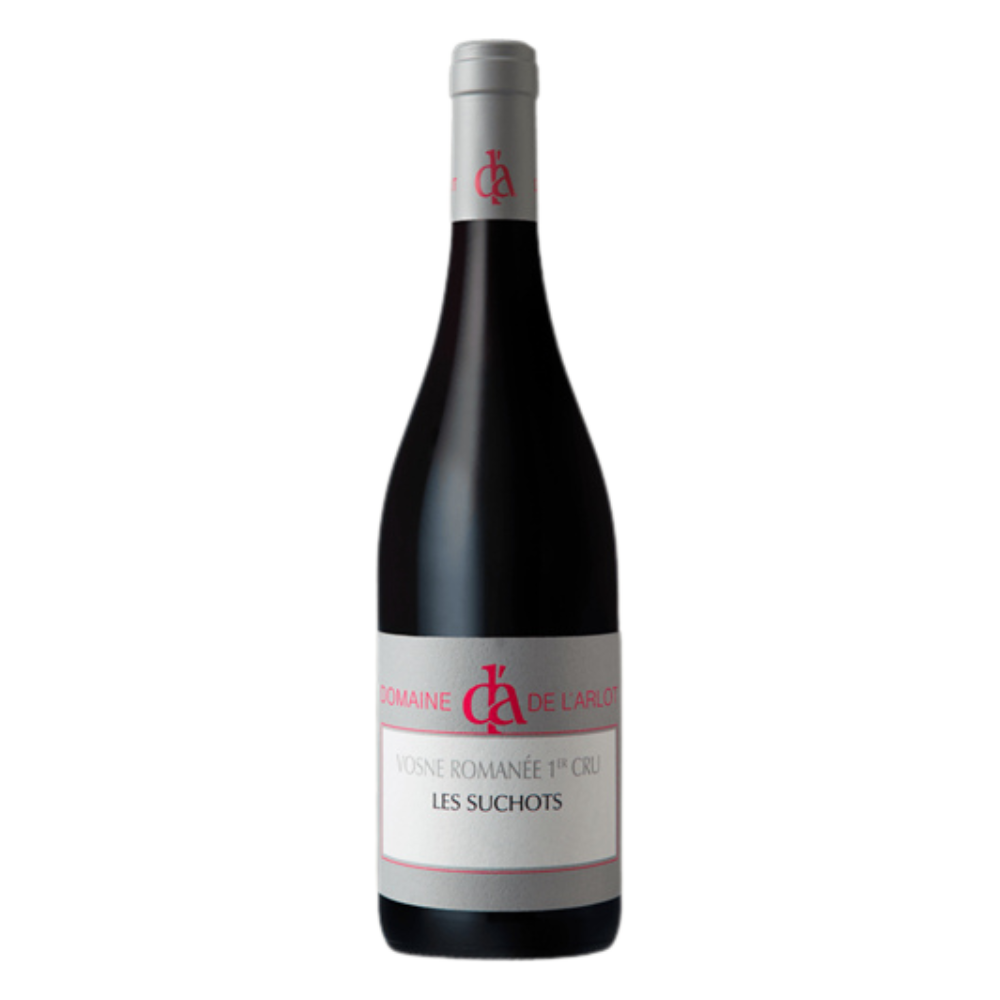
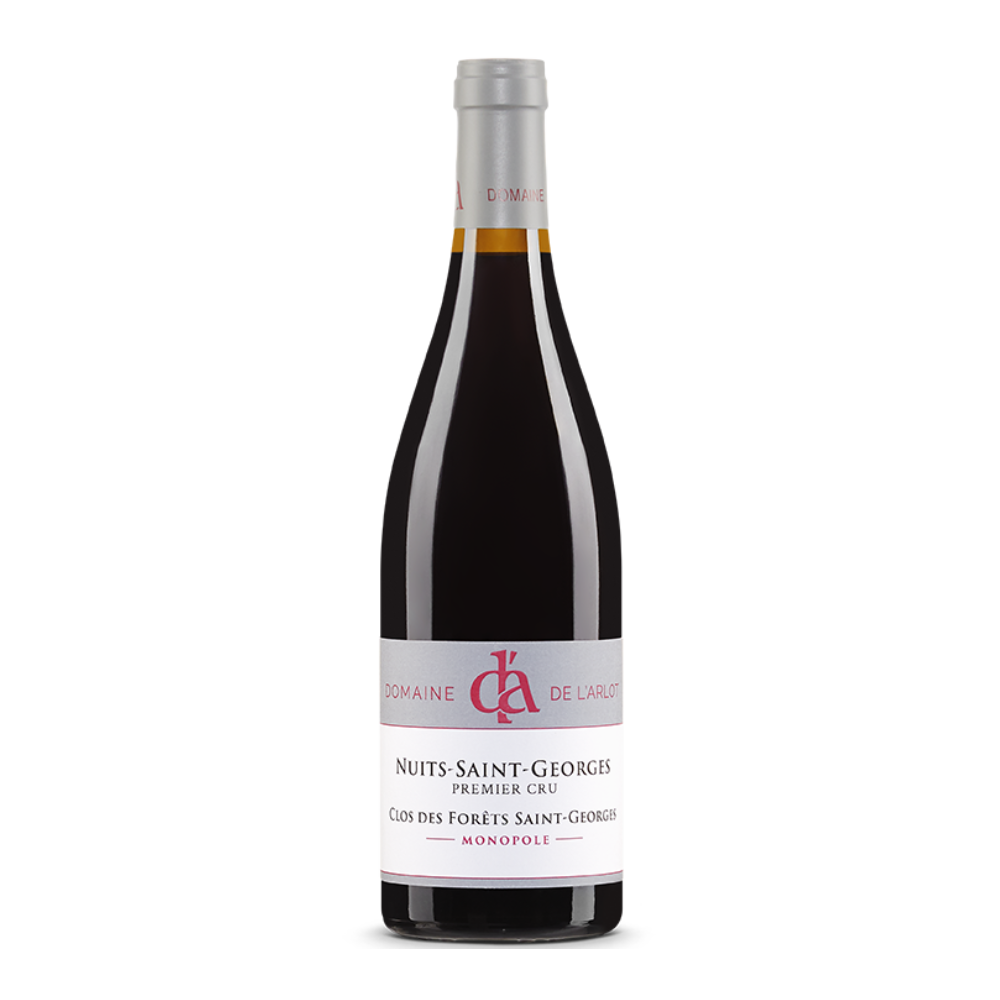
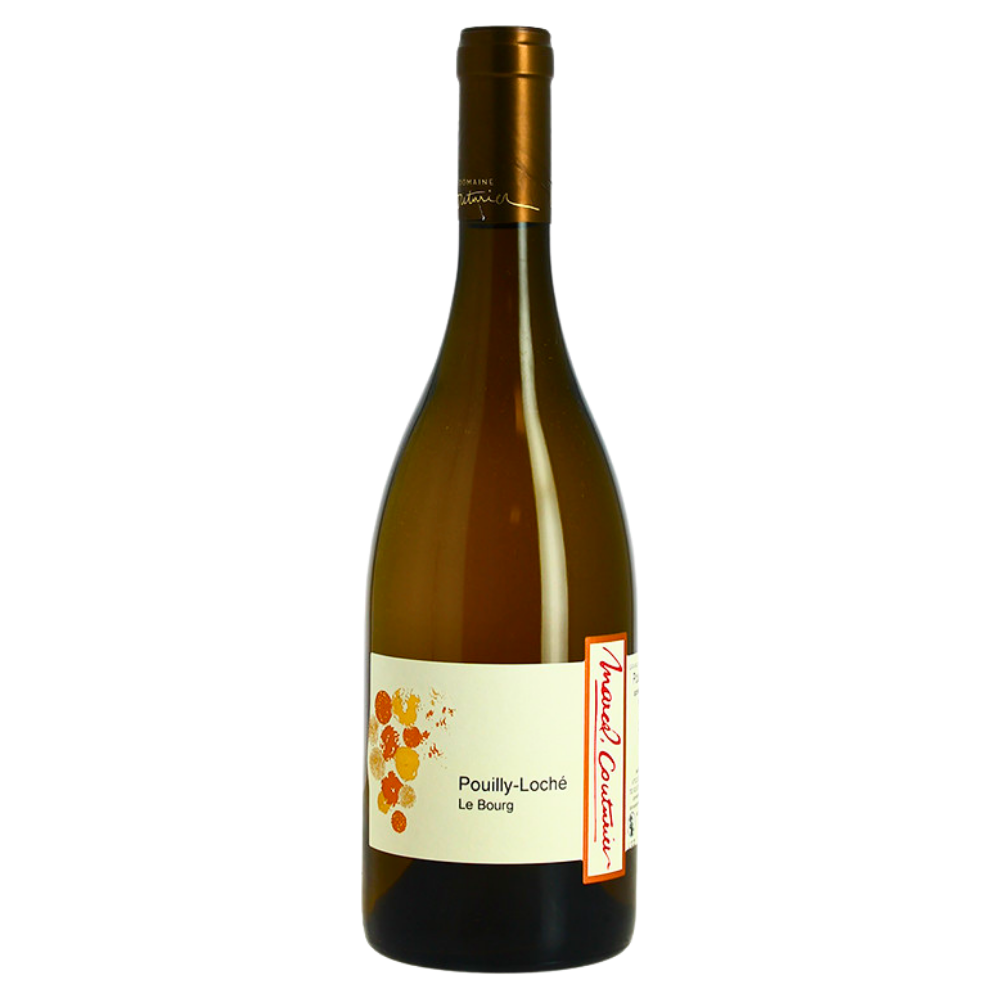
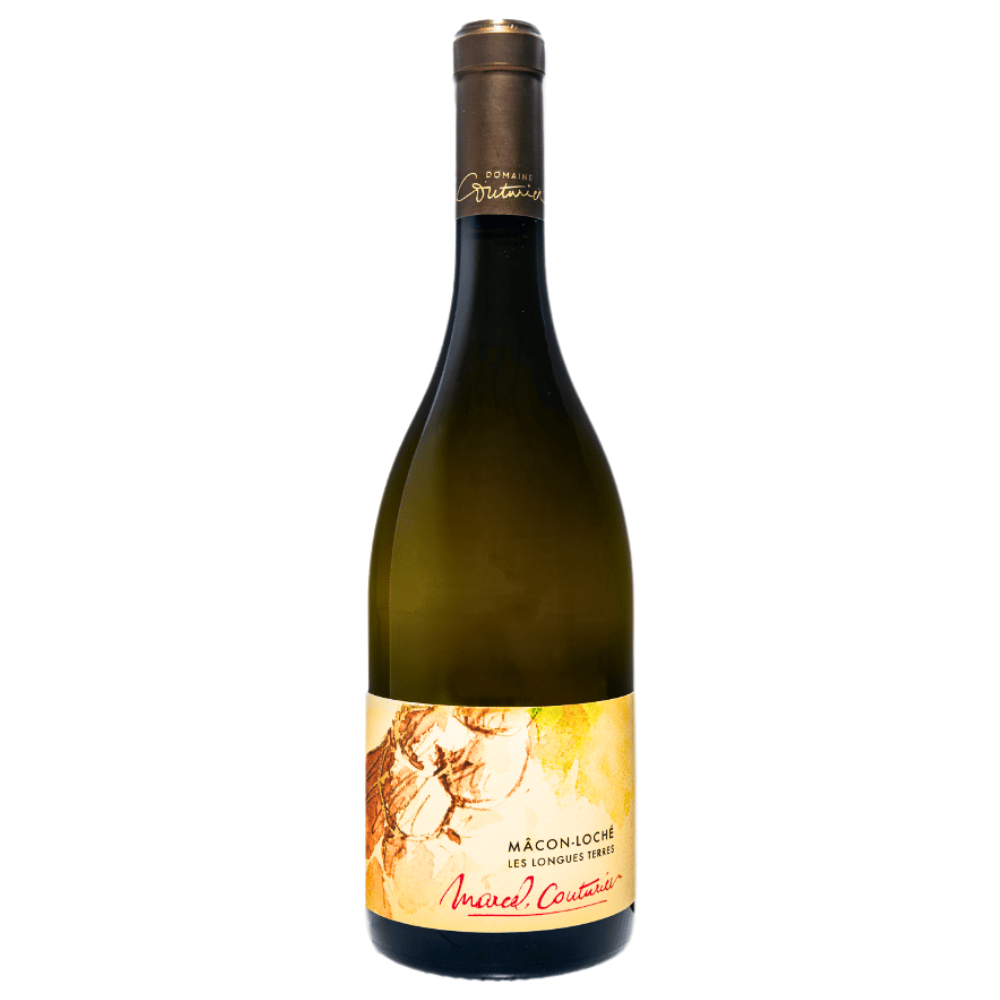
Browse our carefully selected collection of Burgundy wines, featuring exceptional Pinot Noir and Chardonnay from some of France's most respected producers. Whether you're searching for an elegant village wine, a celebrated Premier Cru, or an iconic Grand Cru, you'll find outstanding examples of Burgundy's timeless winemaking tradition below.



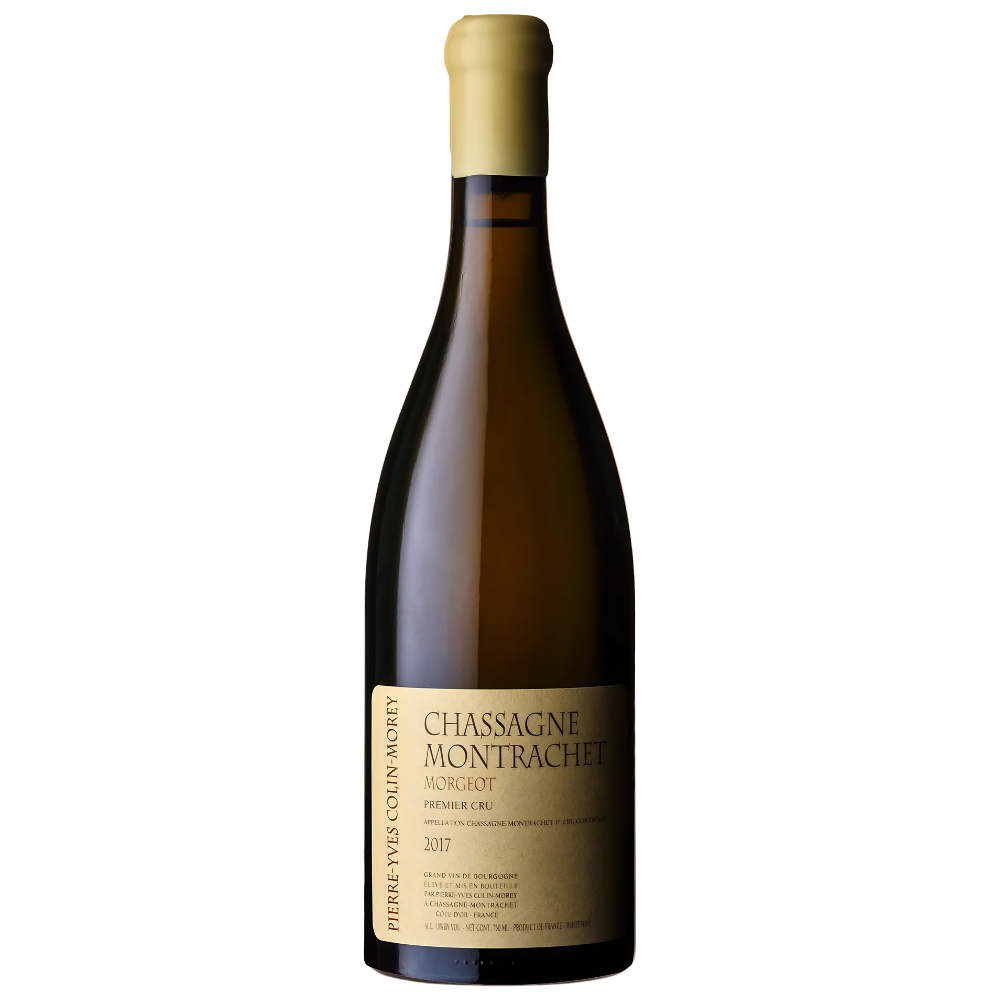
Region: Burgundy
Sub Region: Côte de Beaune
Variety: Chardonnay
Country: France
Vintage: 2024
The Wine
Pierre-Yves Colin-Morey has become one of the defining names of modern white Burgundy, producing Chardonnay built around tension, mineral detail and restrained élevage rather than richness or overt oak. Based in Chassagne-Montrachet, Pierre-Yves established the domaine in 2005 after leaving the family estate, Domaine Marc Colin, and today works across some of the finest terroirs of Chassagne, Saint-Aubin, Puligny and Meursault.
What makes the 2024 Bourgogne Blanc particularly interesting is the vineyard material. Rather than coming from one generic regional source, the blend draws fruit from Meursault (40%), Saint-Aubin (30%), Puligny-Montrachet (15%) and Chassagne-Montrachet (15%). It is a remarkably serious collection of Côte de Beaune origins for a wine carrying the Bourgogne appellation.
The different communes bring useful contrast: Meursault contributes breadth and mid-palate texture; Saint-Aubin freshness and limestone drive; Puligny a finer mineral line; and Chassagne a little more depth and structure. The result is not intended to mimic a village wine, but it does provide a genuine introduction to the character and precision that runs through the entire PYCM range.
The winemaking follows the same principles used for Pierre-Yves’ more elevated whites. Grapes are whole-bunch pressed and fermented with native yeasts, followed by extended maturation on unstirred lees in predominantly 350-litre barrels, with no bâtonnage. Bourgogne-level wines can remain in élevage for up to 16 months, building texture slowly while preserving acidity and mineral definition.
The cooler, low-yielding 2024 vintage has produced a particularly brisk expression: lemon and green apple, subtle white fruit and a light smoky-mineral edge, with bright acidity carrying through a clean, persistent finish. There is less overt reduction than can sometimes mark young PYCM, allowing the citrus and fruit to show clearly from the outset.
Cellared Says
Calling this PYCM’s “entry-level” Chardonnay rather misses the point. With fruit coming from Meursault, Saint-Aubin, Puligny and Chassagne, and essentially the same thoughtful cellar treatment as the wines above it, this is a serious Bourgogne Blanc. It doesn’t have the depth of the Premier Crus, but it absolutely carries the PYCM signature of citrus, tension, fine reduction and mineral precision. A very smart way into one of Burgundy’s most sought-after white wine producers.
Reviews
“Glowing pale lemon. Crisply attractive, not very reductive, no great weight on the palate, tingling acidity, a little citrus rinse, fair length.”
86–87 Points – Jasper Morris MW, Inside Burgundy