
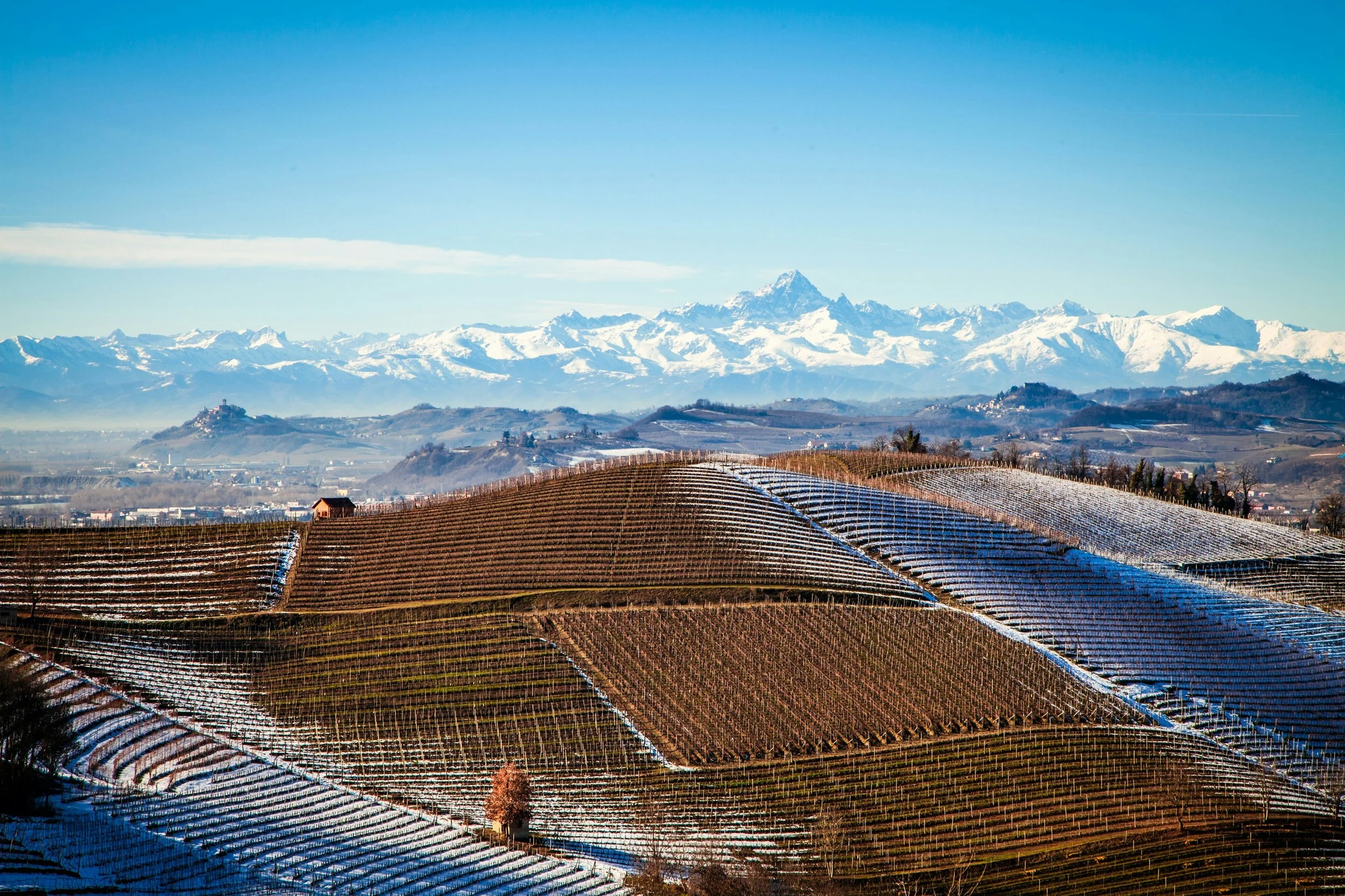
Barbaresco Wines
Elegance from Piedmont
Barbaresco, often called the “Queen of Wines,” is one of Italy’s most prestigious reds. Produced from the Nebbiolo grape in Piedmont’s Langhe hills, it shares much with neighbouring Barolo — but where Barolo is powerful and brooding, Barbaresco is prized for its elegance, perfume, and approachability. Barbaresco combines structure with grace. It is slightly softer and earlier-drinking than Barolo, making it a favourite among wine lovers who seek refinement without sacrificing depth. With a history rooted in tradition and an identity all its own, Barbaresco has earned a place at the table of Italy’s greatest wines.
The Barbaresco region
The Barbaresco DOCG is a small, highly regarded appellation just north-east of Alba. Like Barolo, it covers only a handful of communes, but the wines are distinct thanks to terroir and climate differences.
Communes: Barbaresco, Neive, Treiso, and part of Alba.
Vineyards: Famous crus such as Rabajà, Asili, and Montefico.
Climate: Slightly warmer and lower-lying than Barolo, leading to earlier ripening and softer tannins.
Soils: Rich in limestone and clay, producing wines that balance perfume and structure.
Barbaresco vineyards slope gently toward the Tanaro River, which moderates the climate and gives the wines freshness and lift.
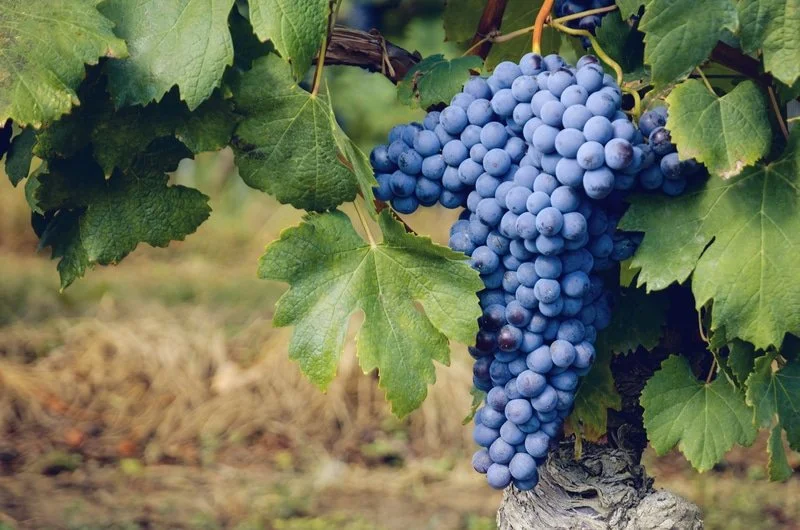
The Nebbiolo grape in Barbaresco
Nebbiolo is the heart of Barbaresco, but the region gives it a different expression than Barolo. In Barbaresco, Nebbiolo’s tannins are finer, and its aromas more delicate.
Expect:
Perfume: Roses, violets, red berries, and subtle spice.
Flavour: Cherries, plums, truffle, tobacco, and balsamic notes.
Texture: Firm but silky tannins, making the wines more approachable in youth.
Ageing ability: Still long-lived, but often best between 10–20 years.
Barbaresco is often described as the more graceful counterpart to Barolo’s power.
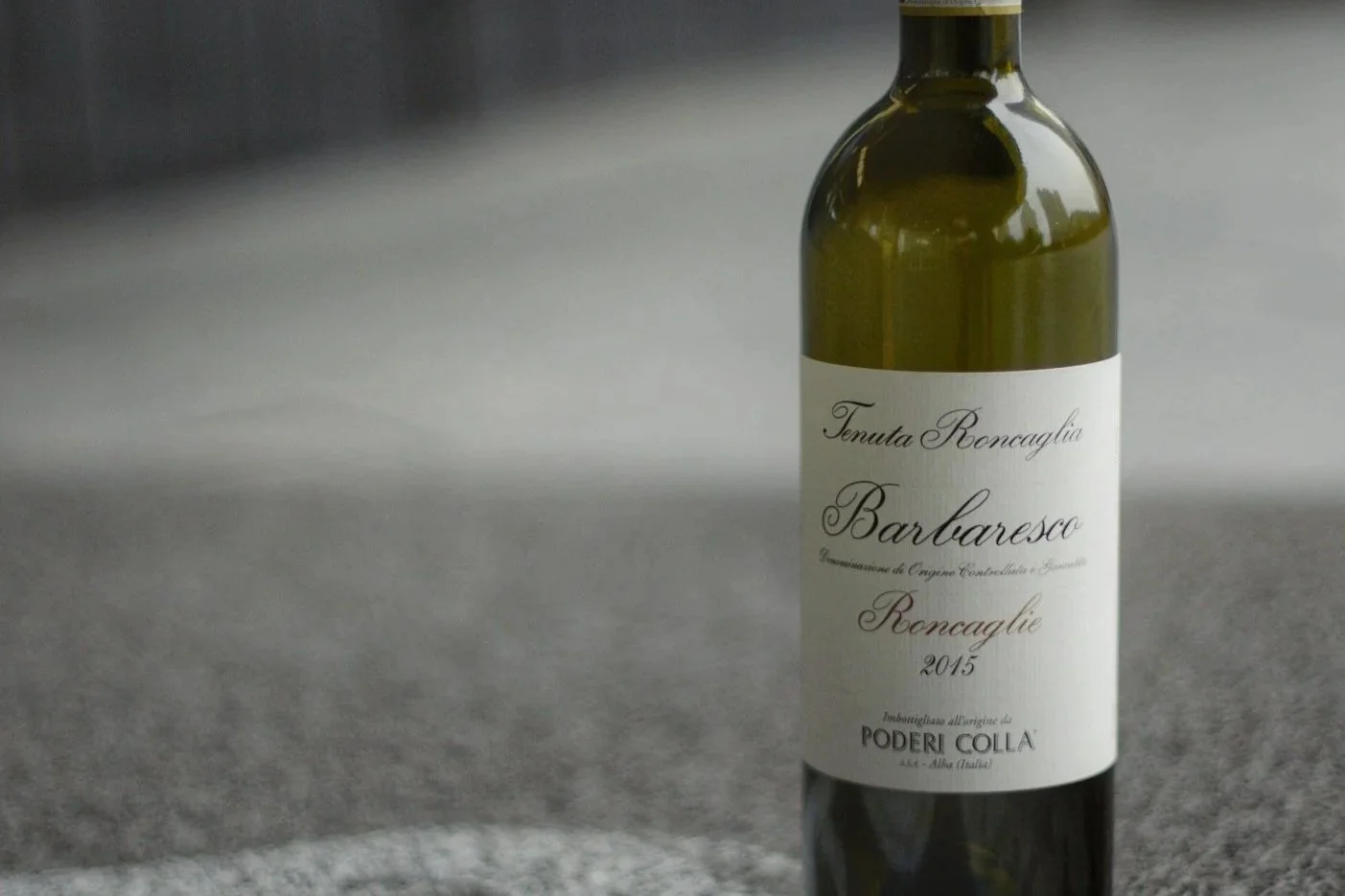
Ageing and style
Barbaresco is subject to strict DOCG rules, though slightly less stringent than Barolo’s.
Barbaresco DOCG: Must be aged a minimum of 26 months, with 9 months in oak.
Barbaresco Riserva: Must be aged at least 50 months.
The shorter mandatory ageing, combined with the terroir, results in wines that are softer, earlier-maturing, and more accessible than Barolo. That said, the best Barbaresco can evolve for decades, gaining savoury depth and complexity.

Food pairing with Barbaresco
Barbaresco’s elegance and aromatic profile make it a versatile partner at the table.
Piedmont classics: Veal with tuna sauce (vitello tonnato), tajarin pasta, porcini mushrooms.
Meats: Roast poultry, pork, lamb, or braised beef.
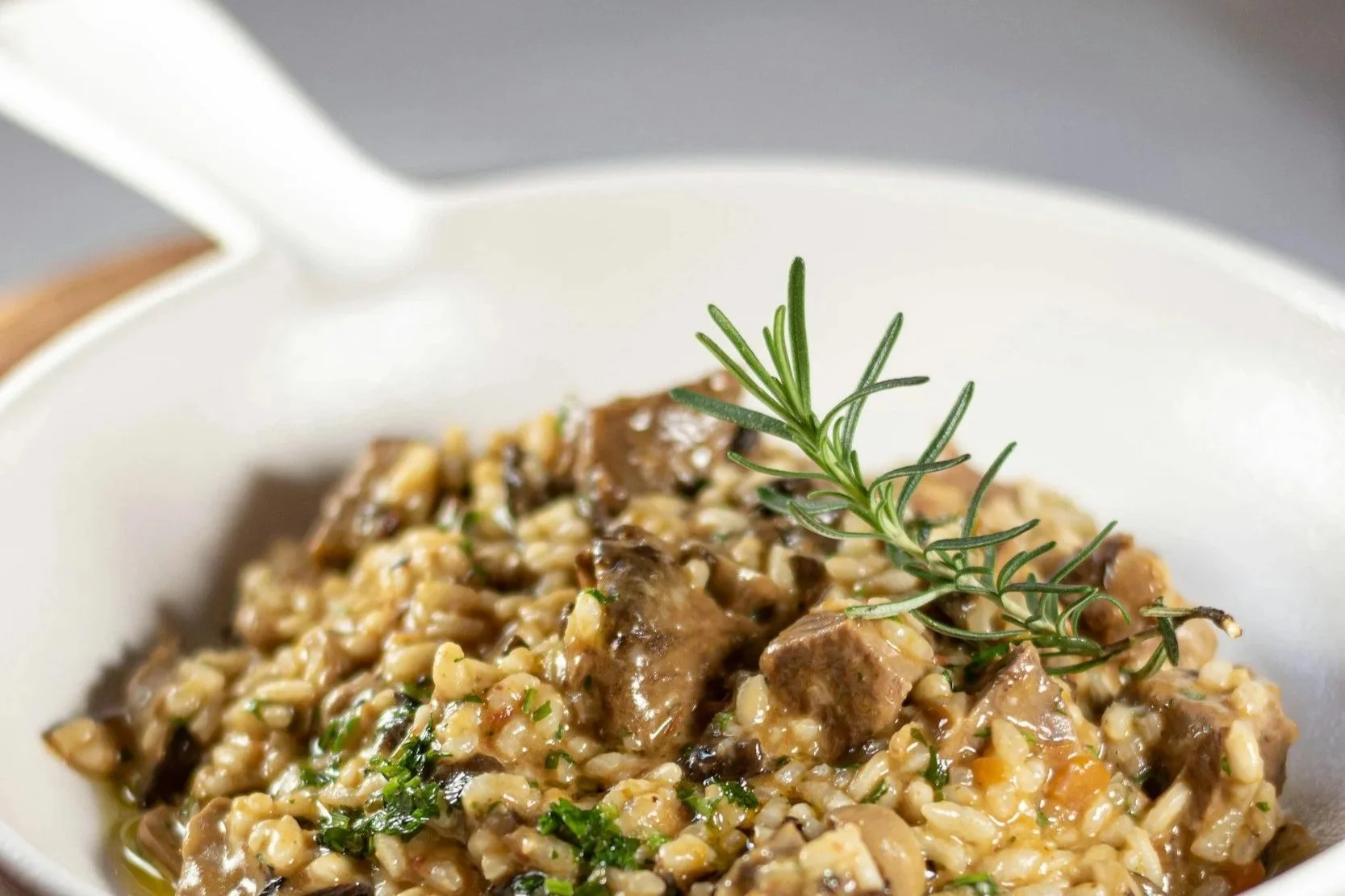
Vegetarian: Mushroom risotto, root vegetables, eggplant dishes.
Cheese: Medium-aged cheeses such as Fontina, Taleggio, or Parmigiano Reggiano.
Because Barbaresco tends to be softer than Barolo, it can pair more flexibly with both delicate and robust dishes.
Why choose Barbaresco?
Barbaresco is often compared to Barolo — but its unique qualities make it just as worthy of attention:
Approachability: Ready to drink earlier than Barolo, while still age-worthy.
Perfume and finesse: Elegant aromatics and fine-grained tannins.
Prestige: A DOCG with strict standards and global recognition.
Value: Often offers better value than Barolo while maintaining exceptional quality.
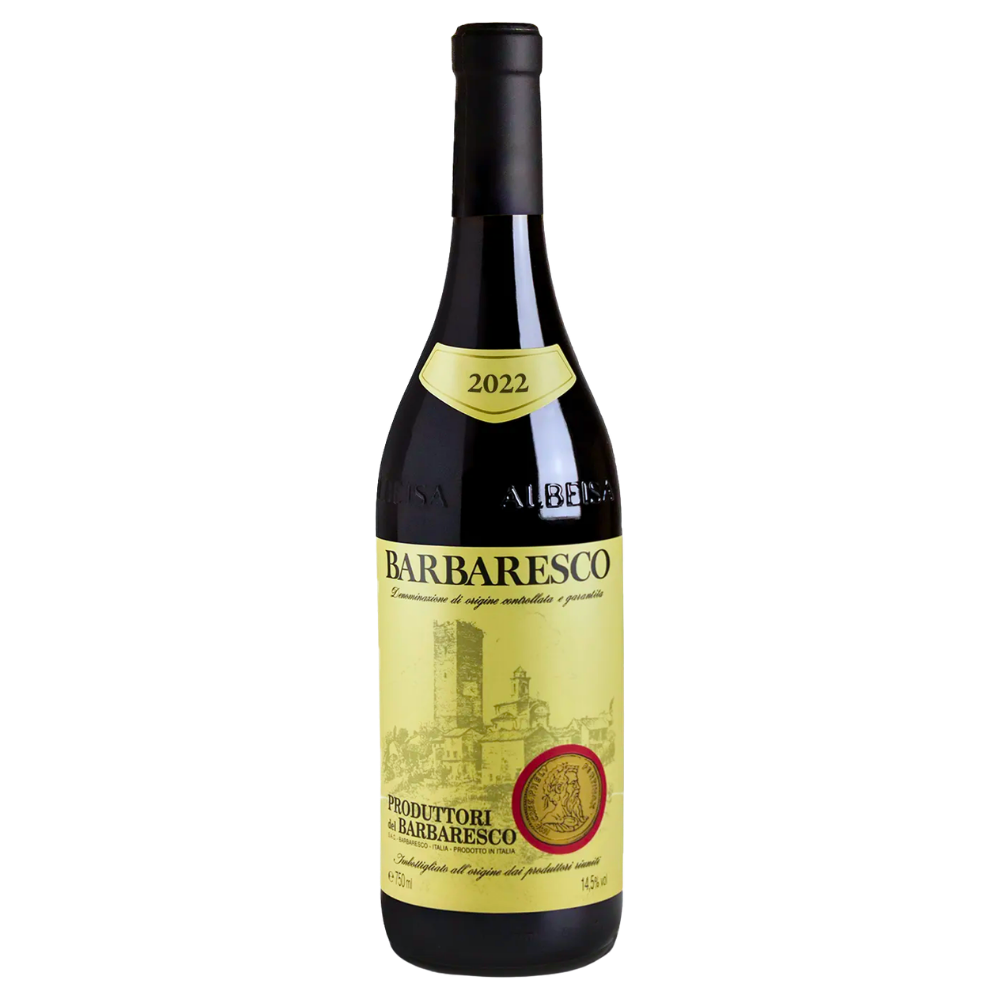
Heritage: Produced by historic estates such as Gaja, Bruno Rocca, and Produttori del Barbaresco.
Barbaresco is not simply “Barolo’s little sister” — it is a world-class wine in its own right.
FAQs about Barbaresco
What grape is Barbaresco made from?
Barbaresco must be made from 100% Nebbiolo grapes grown in the DOCG zone.
How is Barbaresco different from Barolo?
Barbaresco has shorter ageing requirements and often shows softer tannins, making it more approachable earlier.
How long does Barbaresco age?
Most Barbaresco wines drink beautifully within 8–20 years, though top vintages can last longer.
Is Barbaresco good value?
Yes — it often offers exceptional quality at a lower price point than Barolo.
Shop for Barbaresco wines online
We curate a selection of the finest Barolo wine: from historic estates to rising boutique producers. Whether you’re starting your Barolo journey or adding to a serious collection, you’ll find bottles that express the best of this iconic region.
Region: Piedmont
Sub Region: Barbaresco DOCG
Variety: Nebbiolo
Country: Italy
Vintage: 2021
The Wine
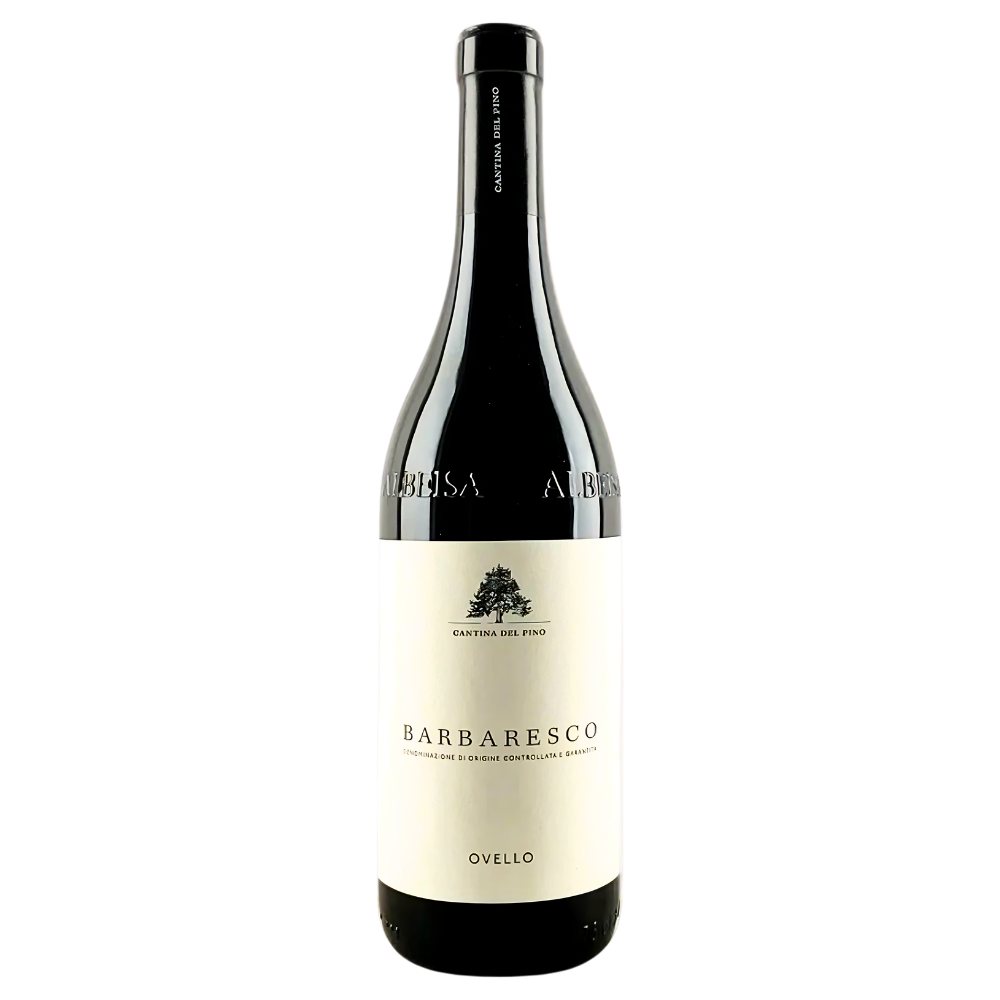
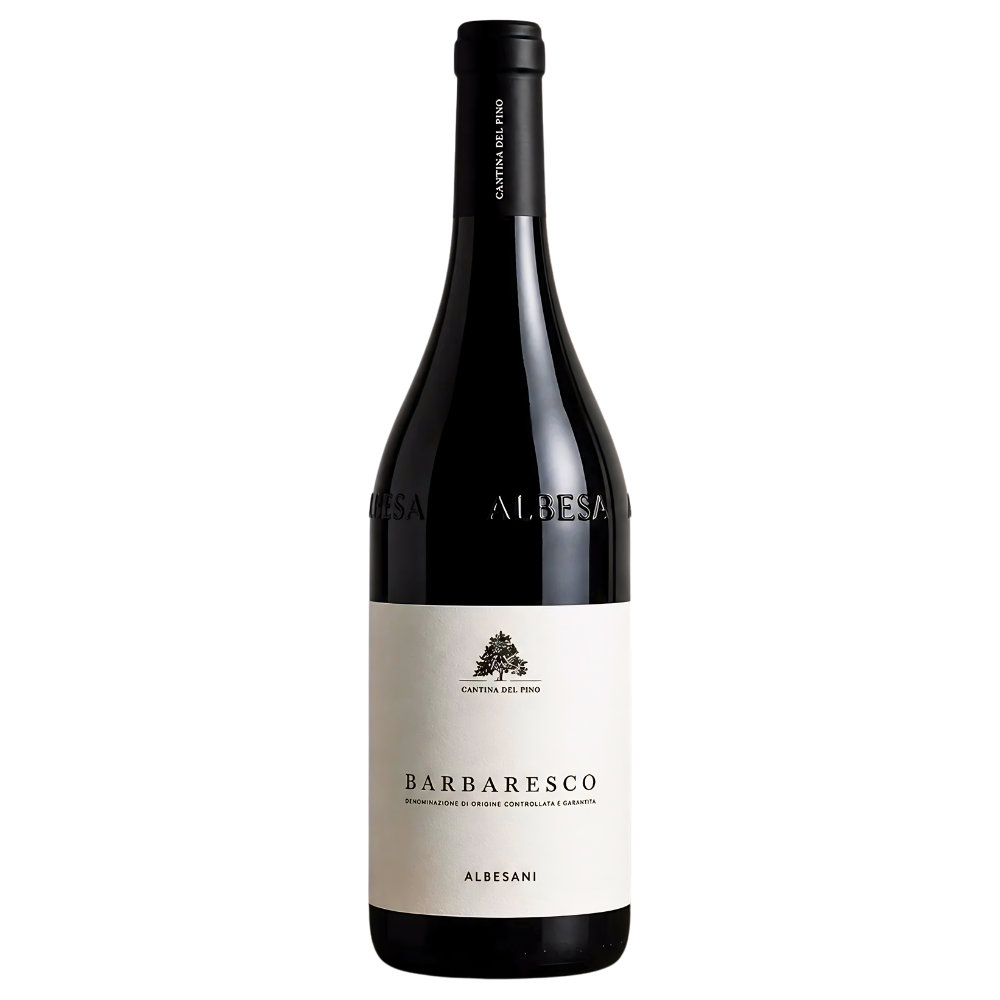
Cantina del Pino’s Barbaresco is not a simple introductory bottling. It is an estate blend built predominantly around the family’s home vineyards in Ovello, supported by fruit from Starderi and Gallina in Neive. Approximately 70% comes from the eastern and western sides of Ovello, giving the wine much of the fragrance, freshness and tannic energy associated with that celebrated site.
The remaining fruit brings additional breadth and balance. Gallina contributes perfume and a softer, more flowing texture, while Starderi adds ripeness and depth. The result is a broader picture of Barbaresco than any individual cru can provide, while retaining a clear Cantina del Pino identity.
Winemaking in 2021 was tailored to the individual parcels. Ovello and selected components were fermented in upright wooden vats with extended maceration of around 60 days or more, while the Gallina and other lots spent closer to 20 days on skins in stainless steel. The assembled wine matured for approximately 24 months in large oak.
The vintage’s natural structure keeps the wine precise rather than plush. Cherry, strawberry, pomegranate, rose and blood orange are joined by mint, anise and earthy mineral notes. The tannins are fine but tightly wound, making this a Barbaresco that will reward time despite its relatively accessible price.
Cellared Says
Exactly the sort of wine Cellared loves to champion. This has the farming, long élevage and vineyard pedigree of Cantina del Pino’s crus, but in a balanced blend that is easier to approach and considerably less expensive. One of the smartest traditional Barbaresco buys of the vintage. Utterly compelling wine and massively over delivers for the price.
Reviews
“Cherry, strawberry, pomegranate and rose flavours, plus a touch of earth…terrific length and a fruit-driven aftertaste.”
95 Points – Bruce Sanderson, Wine Spectator
“Rose, crushed mint, hay and camphor aromas form the enticing nose…juicy red cherry, blood orange and star anise.”
94 Points – Kerin O’Keefe, KO Wine
“Fine, coiled tannins and a mouthwatering, mineral-driven finish. This has clarity, tension and length.”
93 Points – Audrey Frick, JebDunnuck.com