Region: South Australia
Country: Australia
Style: Mature liqueur tawny
Label Year: 1930, the oldest component in the blend
Format: 738 mL (1 pint 6 fl oz)
The Wine
The 1930 belongs to the original date-labelled Para Liqueur series, an enduring part of Australian fortified-wine collecting. Seppeltsfield’s archives identify these dates as the oldest component in a tawny blend. The year is part of the wine’s blending history, rather than a bottling date or a statement that every component came from the 1930 harvest.
The appeal of old liqueur tawny lies in the work done before bottling: extended cask maturation, concentration and the assembly of different components into a complete wine. Sweetness, spirit and savoury complexity need to hold together. Dried fruit, nuts, toffee and spice are familiar reference points for the style, though they are a guide to the category rather than a tasting report on these particular bottles.
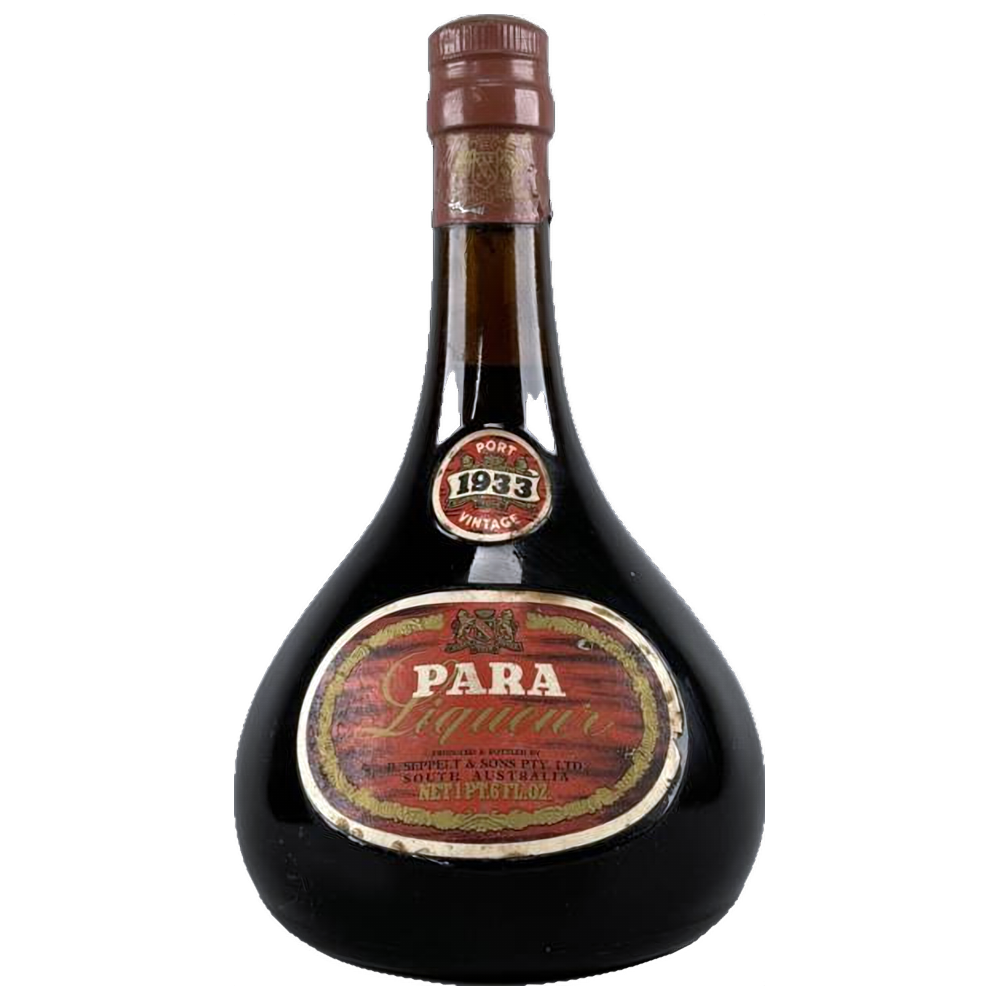
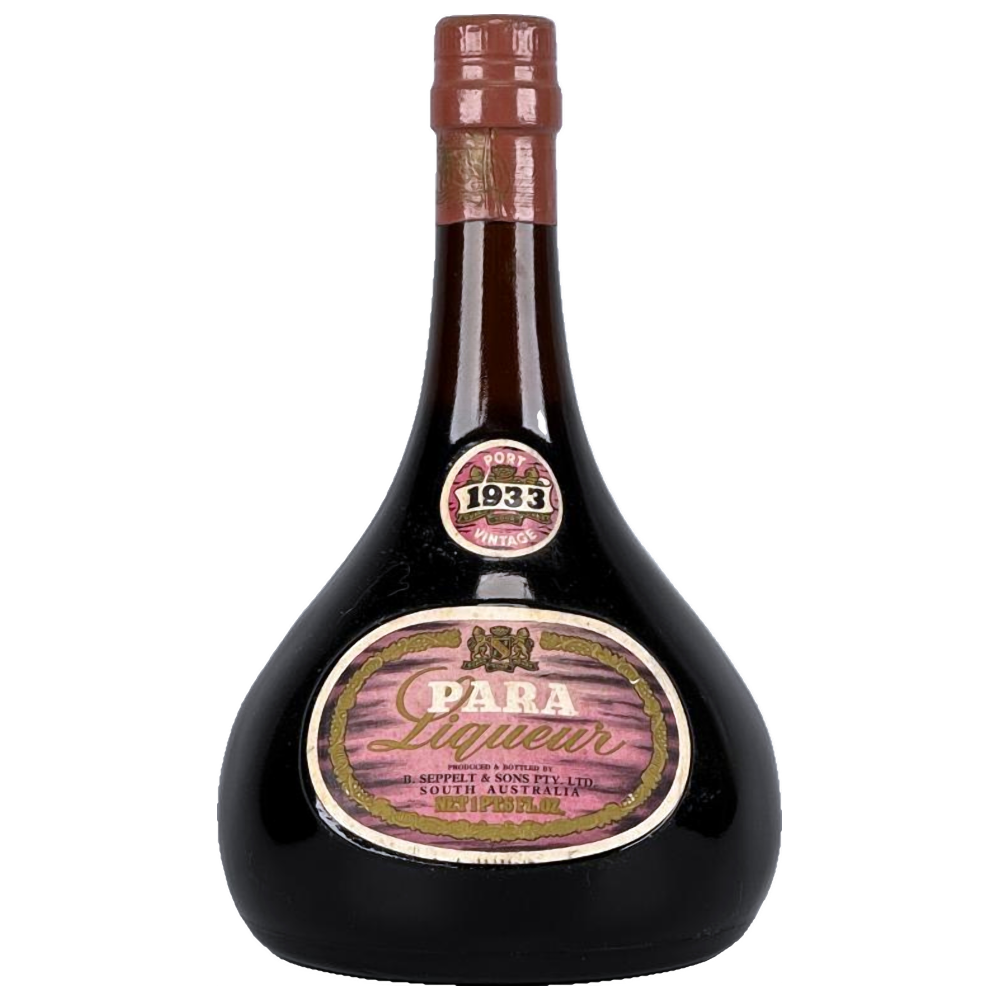
For this parcel, the most useful detail is the level. Both bottles sit at the “Port” wording on the upper neck label, a high fill as described in our condition notes. They offer the chance to revisit a significant Australian label in its original historical form.
Cellared Says
This is the one I would choose first if I wanted a single bottle from this Para parcel. The early label date gives it obvious historical appeal, and the high levels are a reason to look closely. For me, the interest is in owning an original release from a name that helped define Australian fortified wine. I would buy it for that history and the pleasure of exploring an old bottle, with realistic expectations about how any individual example may have travelled.
Condition
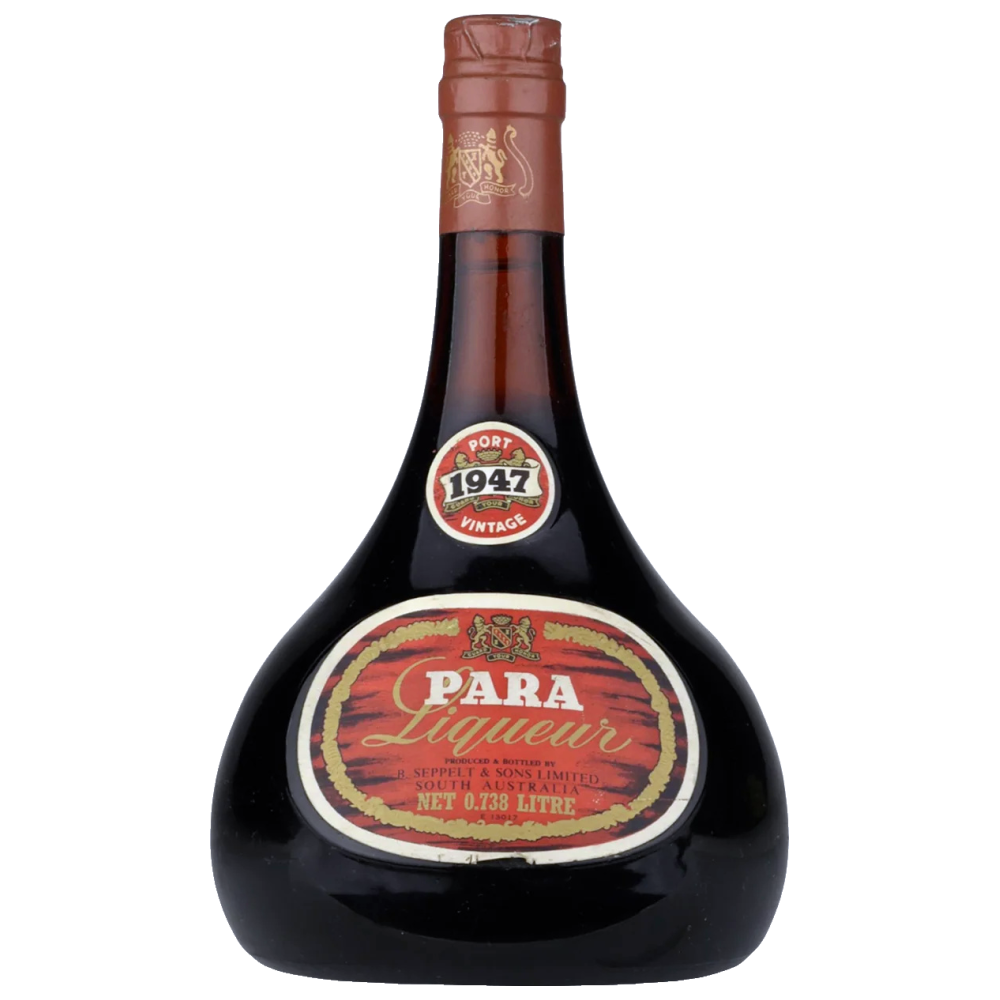
Bottle condition: Both fill levels are at the “Port” wording on the upper neck label, described as high. These bottles came from the same cellar as the 1933 and 1947 Para bottles in this parcel.
Cellared stock: These mature bottles may show natural variation. Drinking condition and remaining life cannot be guaranteed. Please read our Older and Back-Vintage Wine terms before purchase. Australian Consumer Law rights remain unaffected.

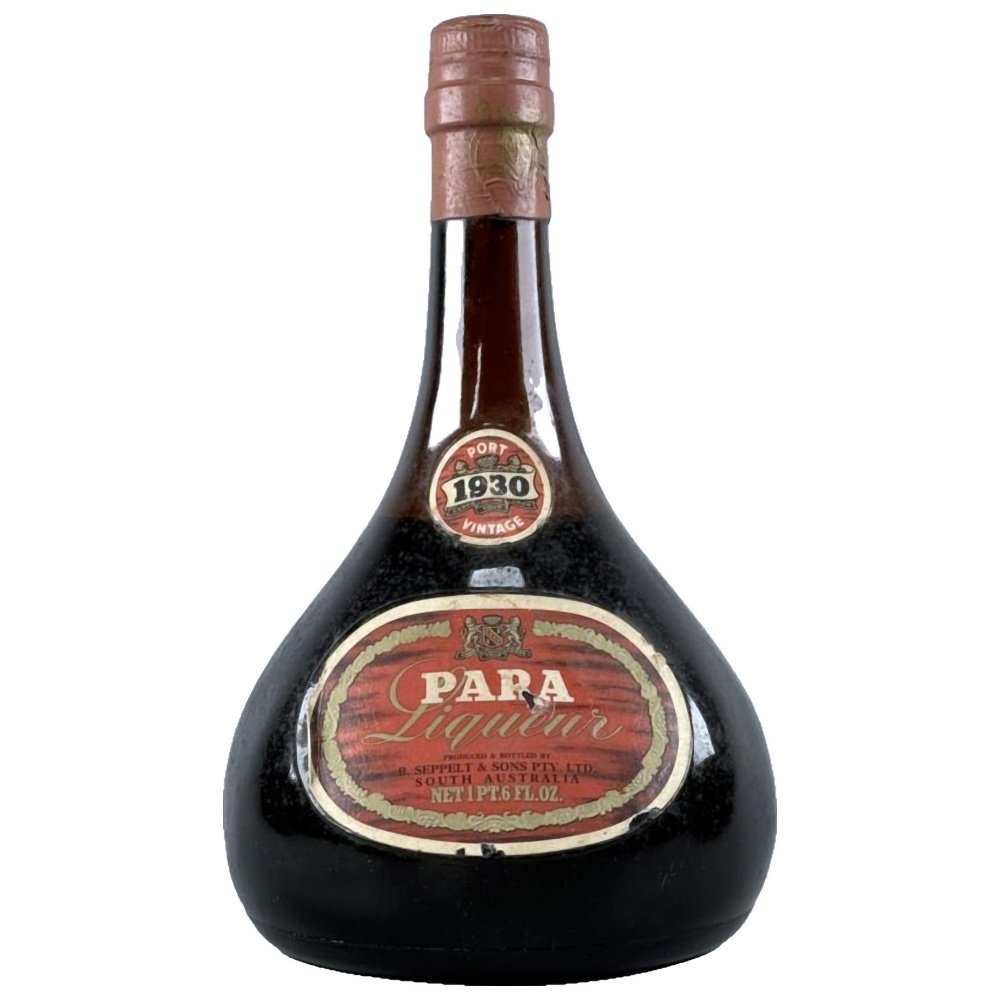 Image 1 of 1