Bordeaux Wine
Where does Bordeux and its wines sit in todays fine wine market
Bordeaux remains the benchmark for fine-wine collecting: a region where provenance, vintage conditions, and château performance matter as much as label prestige. At Cellared Fine Wine, we curate Bordeaux with a collector’s eye—focusing on drinkability, track record, and value in the current market, whether you’re buying a single bottle, building a cellar, or needing a professional valuation.
Quick take (for collectors):
2009 & 2010 are modern classics with long runways—2009 often more opulent; 2010 typically more structured and ageworthy.
2016 is one of the great “complete” vintages of recent decades: balance, freshness, and confidence across many top communes.
2022 is a high-quality, warm-year vintage with standout wines—but selectivity is crucial; the best estates nailed freshness and precision.
2024 releases: some wines can look attractive at release, but overall quality is uneven—buyers should be disciplined and focus on producers with consistency and strong viticulture.
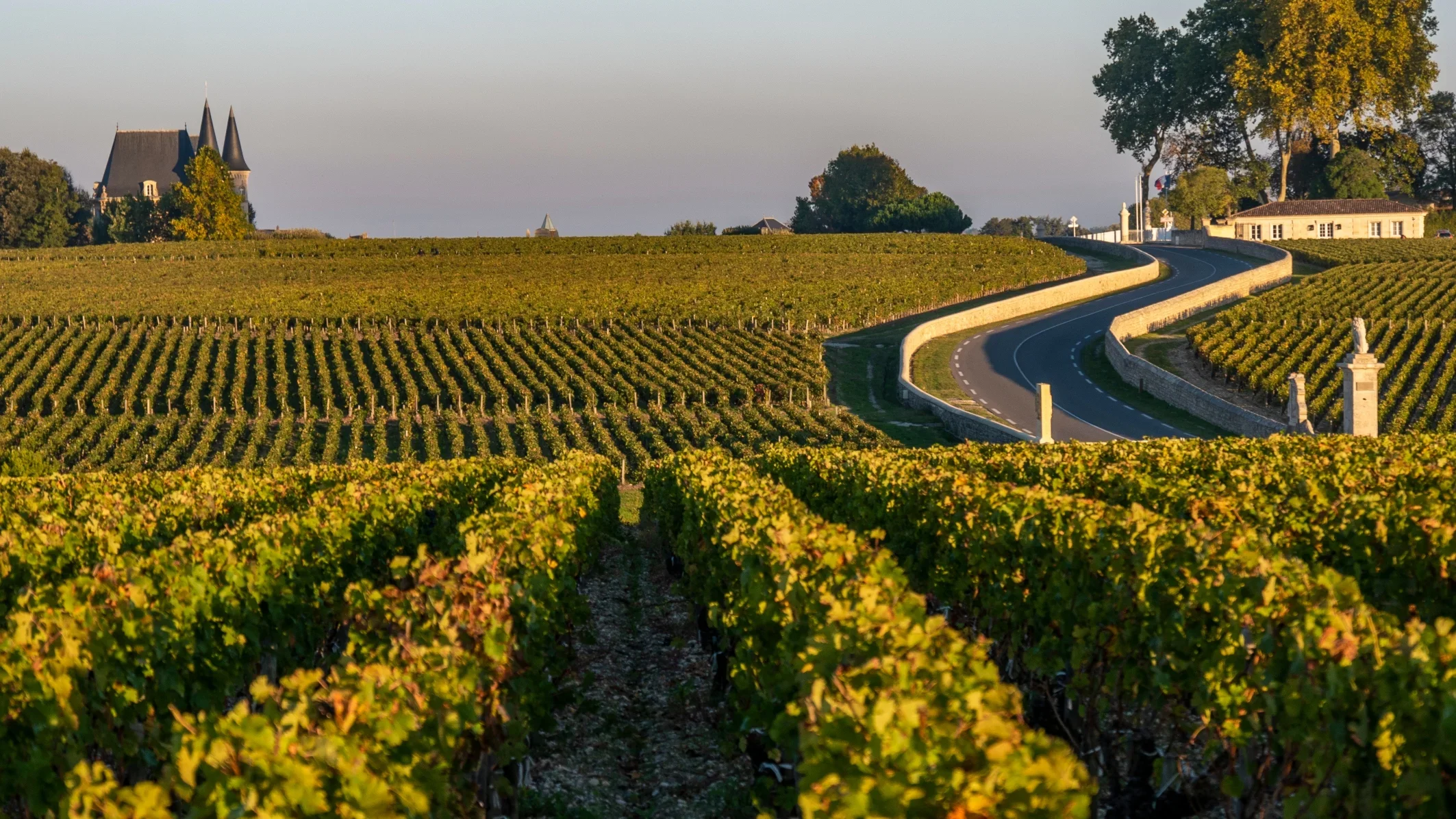
Why Bordeaux Still Matters
Bordeaux isn’t one style—it’s a system of place and classification. From the gravel of the Left Bank to the clay-limestone of the Right Bank, the region produces wines that can be:
Beautiful young (in the right hands and the right vintage)
Incredibly long-lived with proper storage
Highly tradeable where provenance is strong
For Australian collectors, Bordeaux’s advantage is clarity: vintage variation is documented, château performance is trackable, and storage/provenance standards are widely understood.
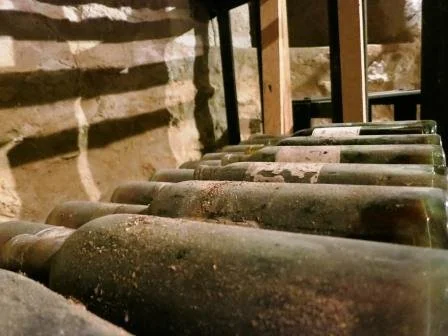
Understanding Bordeaux: Left Bank vs Right Bank
Left Bank (Médoc & Graves): typically Cabernet Sauvignon-led blends, structured, cassis/cedar, graphite, and long ageing potential.
Key areas: Pauillac, Margaux, Saint-Julien, Saint-Estèphe, Pessac-Léognan
Right Bank (Saint-Émilion & Pomerol): typically Merlot-led blends, plush texture, dark plum, mocha, and earlier approachability (while top wines age for decades).
Key areas: Pomerol, Saint-Émilion
If you’re building a cellar, a balanced Bordeaux collection often includes both—structure from the Left Bank and texture from the Right.
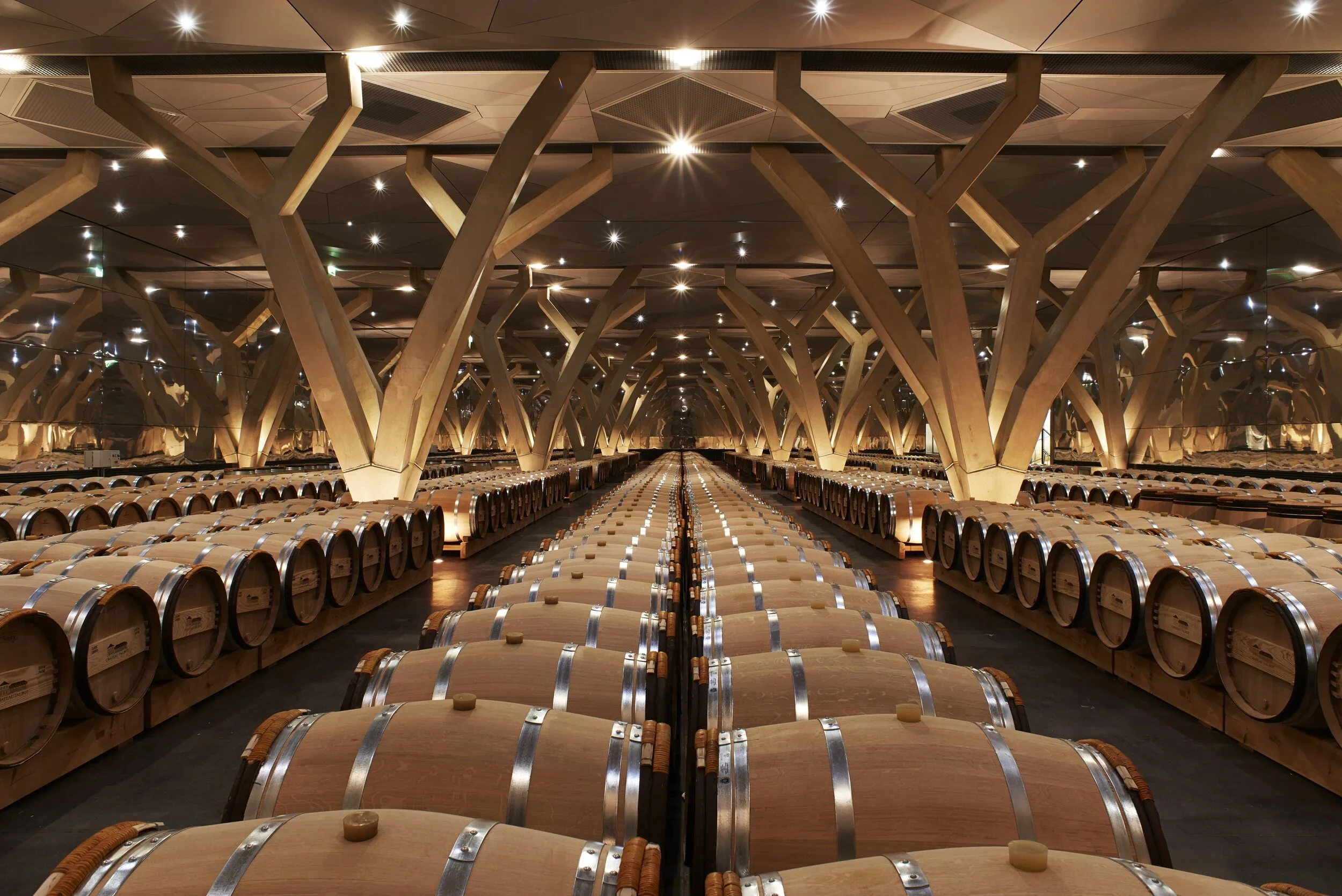
Bordeaux Market Conditions: What’s Happening Now
The fine-wine market is more selective than it was at peak enthusiasm cycles. Buyers are focusing on:
Proven producers and top-performing châteaux
Great vintages with broad confidence (2016 stands out here)
Sound pricing relative to global benchmarks
Impeccable provenance and storage history
In practical terms: quality sells, hype struggles. Bordeaux remains a cornerstone, but today’s market rewards discipline—buying the right wines, at the right prices, with the right storage plan.
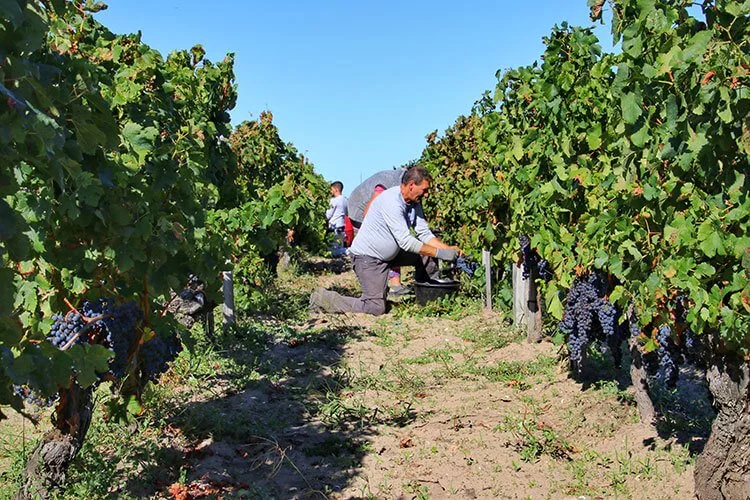
Vintage Focus: The Benchmarks to Know
2009: The Seductive Classic
2009 Bordeaux is celebrated for its richness and immediate charm—often generous fruit, polished tannins, and crowd-pleasing texture. Many wines are drinking well now, with the top estates still offering years ahead. If you love plush, expressive Bordeaux, 2009 is a smart target.
2010: The Structured, Long-Haul Vintage
2010 is typically viewed as more architectural—firm tannins, freshness, and a strong spine for long ageing. At its best, it’s one of the most complete vintages of the modern era. For collectors with patience, 2010 often delivers classic Bordeaux detail and longevity.
2016: Balance, Confidence, Consistency
2016 is widely regarded as a “buy with confidence” vintage because it combines:
Freshness and definition
Excellent tannin quality
Strong performance across many appellations and producers
If you’re building a Bordeaux core cellar, 2016 is one of the most reliable recent anchors.
2022: Warm-Year Quality, Producer Selectivity Matters
2022 produced many high-quality wines, but it’s not a uniform “buy everything” year. The best wines show energy, precision, and controlled ripeness—especially from producers with strong viticulture and careful picking decisions. The less successful wines can feel heavy or less detailed. In 2022, producer choice is everything.
2024 Releases: Pockets of Value, Overall Uneven
The 2024 release landscape is mixed. Some wines can appear attractive at the release point—especially where pricing aligns with market reality—but quality is not consistently high across the board. The smart approach is:
Prioritise consistent producers
Focus on estates known for precision in challenging or variable years
Avoid buying broadly; instead, target the best opportunities
If you want, we’ll advise on which 2024 releases are genuinely compelling for your goals (drinking, collecting, gifting, or investment-led cellar building).
How We Help Bordeaux Collectors in Australia
Curated buying: A tight selection of Bordeaux we’d happily cellar ourselves.
Sourcing: Requests for hard-to-find bottles and mature vintages with provenance focus.
Cellar strategy: Building a Bordeaux “spine” (drinking windows, styles, budgets).
Professional valuations: Insurance, probate, SMSF and formal reporting requirements.
Storage and provenance guidance: Because Bordeaux is only “blue-chip” if it’s been stored correctly.
Shop Bordeaux (and explore by style)
Use our collection to filter and explore:
Left Bank classics (Cabernet-led, structured, ageworthy)
Right Bank icons (Merlot-led, plush, layered)
Mature Bordeaux (ready-to-drink, tertiary complexity)
Bordeaux FAQs (for buyers and collectors)
Is Bordeaux still a good buy in today’s market?
Bordeaux remains one of the most liquid, well-documented fine-wine regions. In a selective market, value comes from choosing strong producers, proven vintages, and prioritising provenance.
Which recent Bordeaux vintage is the best “all-rounder”?
For many collectors, 2016 is the standout all-round modern vintage due to balance, consistency, and ageing potential.
Are 2009 and 2010 still worth buying?
Yes—both are modern benchmarks. 2009 tends to be more immediately generous; 2010 is often more structured and long-lived. Mature bottles should be assessed for storage history.
What’s special about 2022 Bordeaux?
2022 can be excellent, but it’s producer-dependent. The best wines combine warm-year richness with freshness and precision—selection matters.
Should I buy 2024 Bordeaux on release?
2024 is uneven. Some releases can represent value, but it’s a year to be selective—focus on consistent producers and avoid buying broadly. However, this is the year, if any to buy First Growths en Premier. Sure they may not be the top scoring wines of 2016 or 2022, but they are the cheapest launch since 2014. Worth a serious consideration.
Shop for Bordeaux wines online
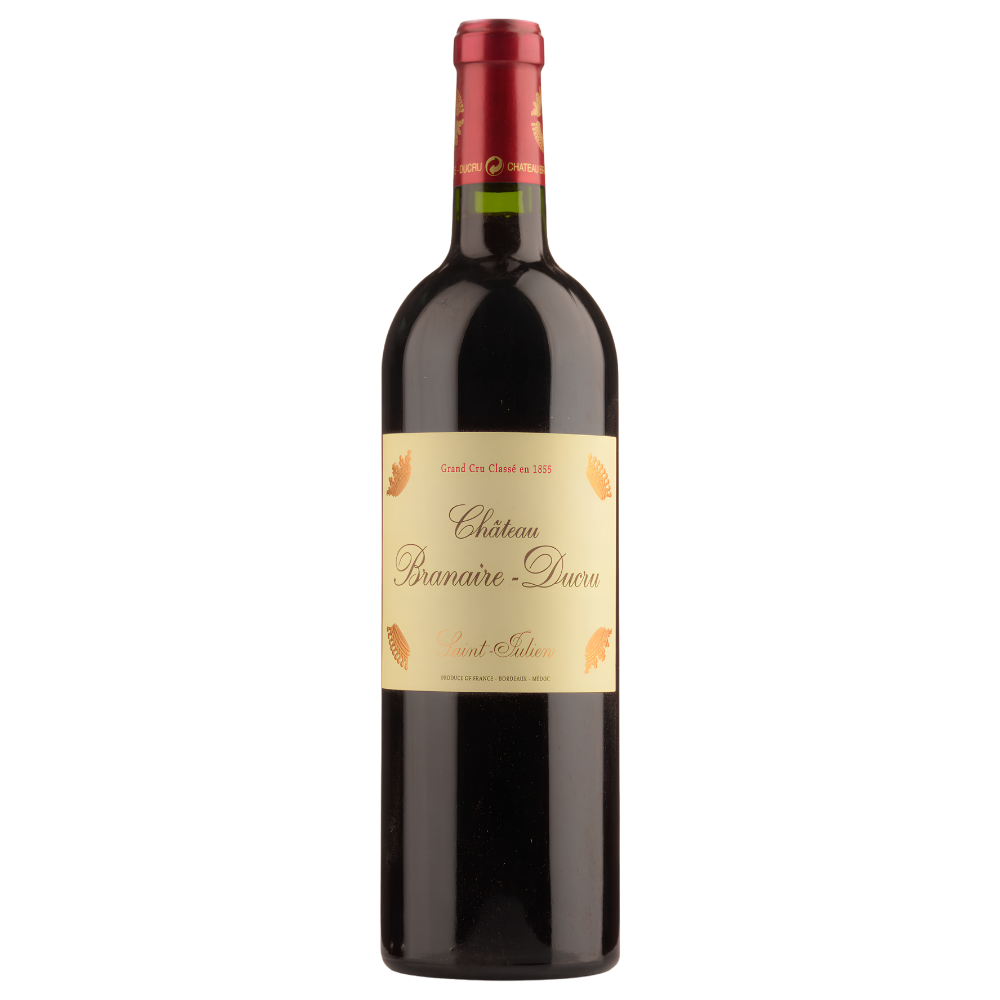
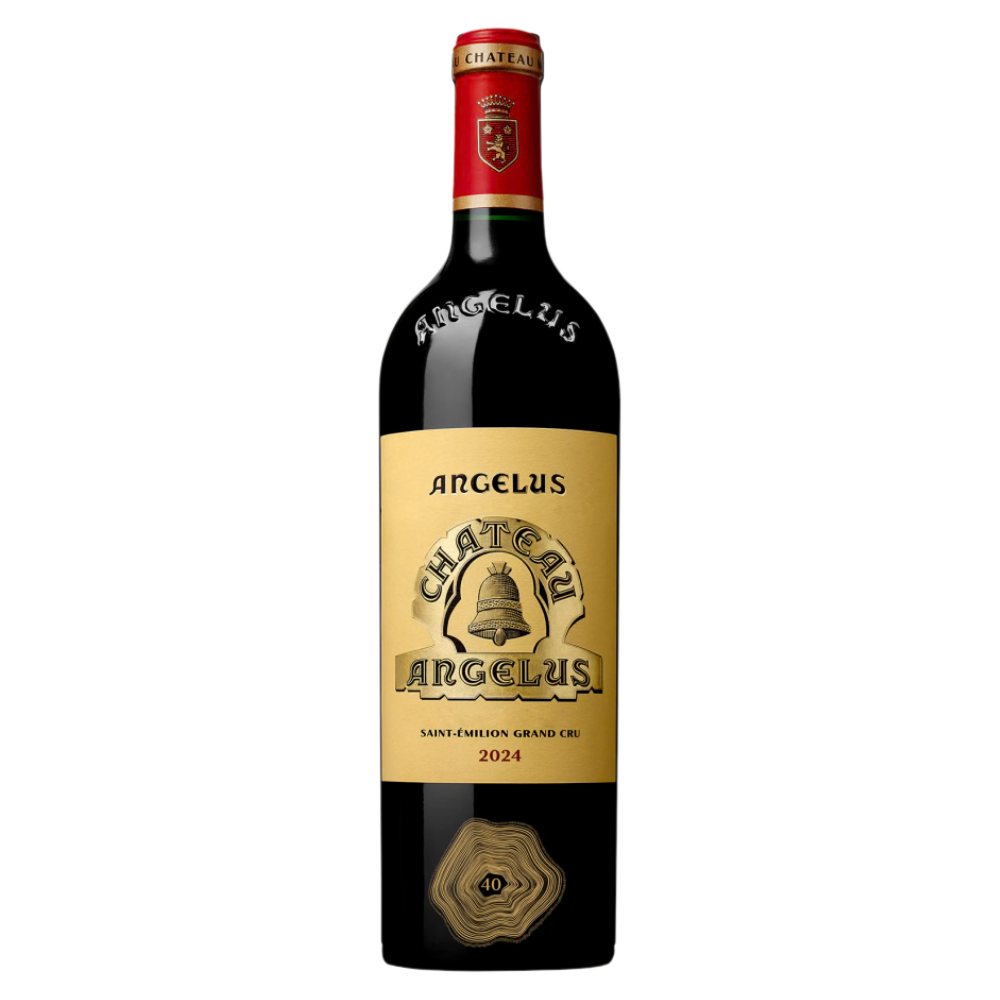
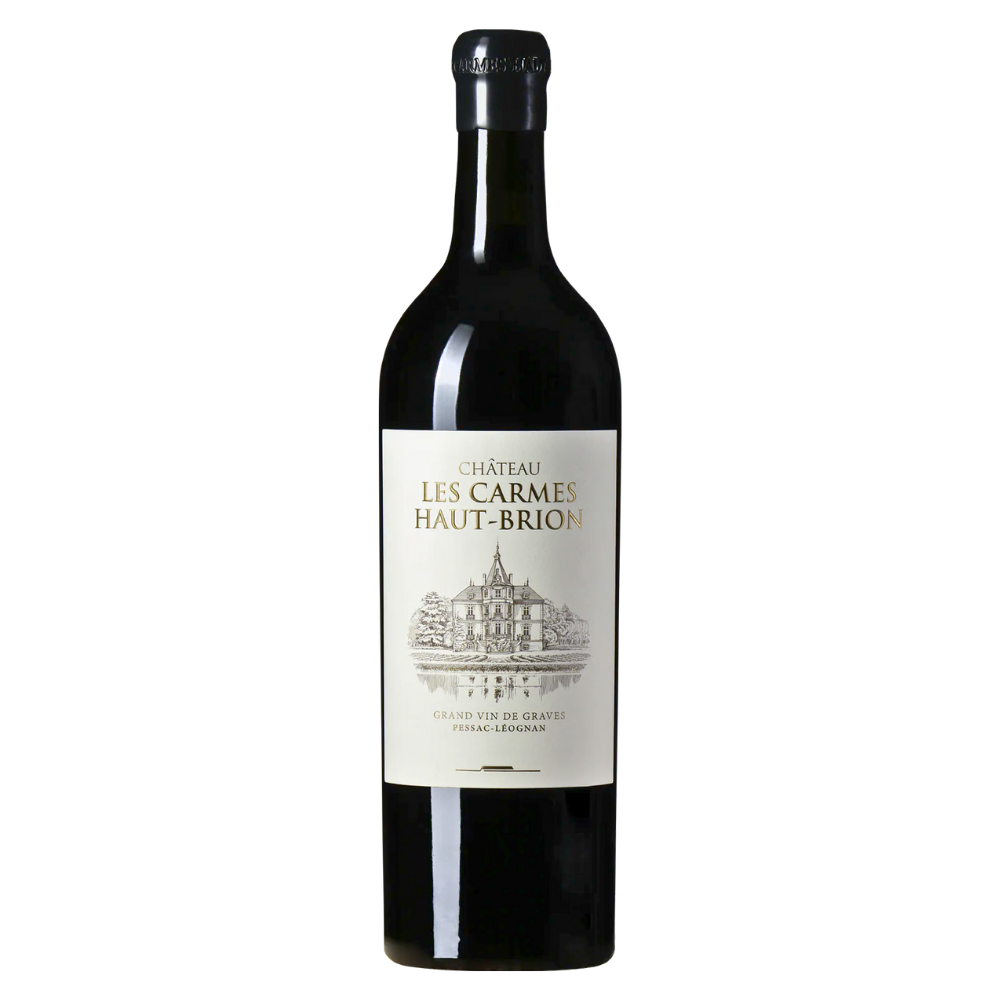
We curate a selection of the finest Bordeaux wine: from historic estates to rising boutique producers. Whether you’re starting your Bordeaux journey or adding to a serious collection, you’ll find bottles that express the best of this iconic region.