Region: Burgundy
Sub Region: Monthélie
Variety: Chardonnay
Country: France
Vintage: 2023
The Wine
Monthélie sits between Volnay and Meursault on the Côte de Beaune, with vineyards on the first slopes overlooking the valley. The soils here are classic Côte de Beaune: clay-limestone with good drainage, giving wines that sit stylistically between the tension of Puligny and the breadth of Meursault.
Colin-Morey works with small parcels across the appellation, focusing on low yields and precise canopy management to preserve acidity and phenolic ripeness. As with all PYCM whites, the fruit is hand-picked and whole-bunch pressed without crushing, using slightly higher pressing pressure to extract phenolics for structure and ageing capacity.
Fermentation is with indigenous yeasts in 350-litre barrels, with no bâtonnage and minimal new oak. Elevage runs for 15–18 months on fine lees, followed by a period in tank before bottling, all designed to control oxygen and preserve freshness.
The result is a village wine built with the same intent as the top cuvées: structure, mineral drive and longevity rather than early generosity.
Cellared Says
This is proper PYCM thinking applied to a lesser-known village. It won’t shout, but it will quietly outperform expectation. A smart cellar buy for those who know where to look. Super tight allocation as always. Outperform in 2023.
Region: Burgundy
Sub Region: Monthélie
Variety: Chardonnay
Country: France
Vintage: 2023
The Wine
Monthélie sits between Volnay and Meursault on the Côte de Beaune, with vineyards on the first slopes overlooking the valley. The soils here are classic Côte de Beaune: clay-limestone with good drainage, giving wines that sit stylistically between the tension of Puligny and the breadth of Meursault.
Colin-Morey works with small parcels across the appellation, focusing on low yields and precise canopy management to preserve acidity and phenolic ripeness. As with all PYCM whites, the fruit is hand-picked and whole-bunch pressed without crushing, using slightly higher pressing pressure to extract phenolics for structure and ageing capacity.
Fermentation is with indigenous yeasts in 350-litre barrels, with no bâtonnage and minimal new oak. Elevage runs for 15–18 months on fine lees, followed by a period in tank before bottling, all designed to control oxygen and preserve freshness.
The result is a village wine built with the same intent as the top cuvées: structure, mineral drive and longevity rather than early generosity.
Cellared Says
This is proper PYCM thinking applied to a lesser-known village. It won’t shout, but it will quietly outperform expectation. A smart cellar buy for those who know where to look. Super tight allocation as always. Outperform in 2023.

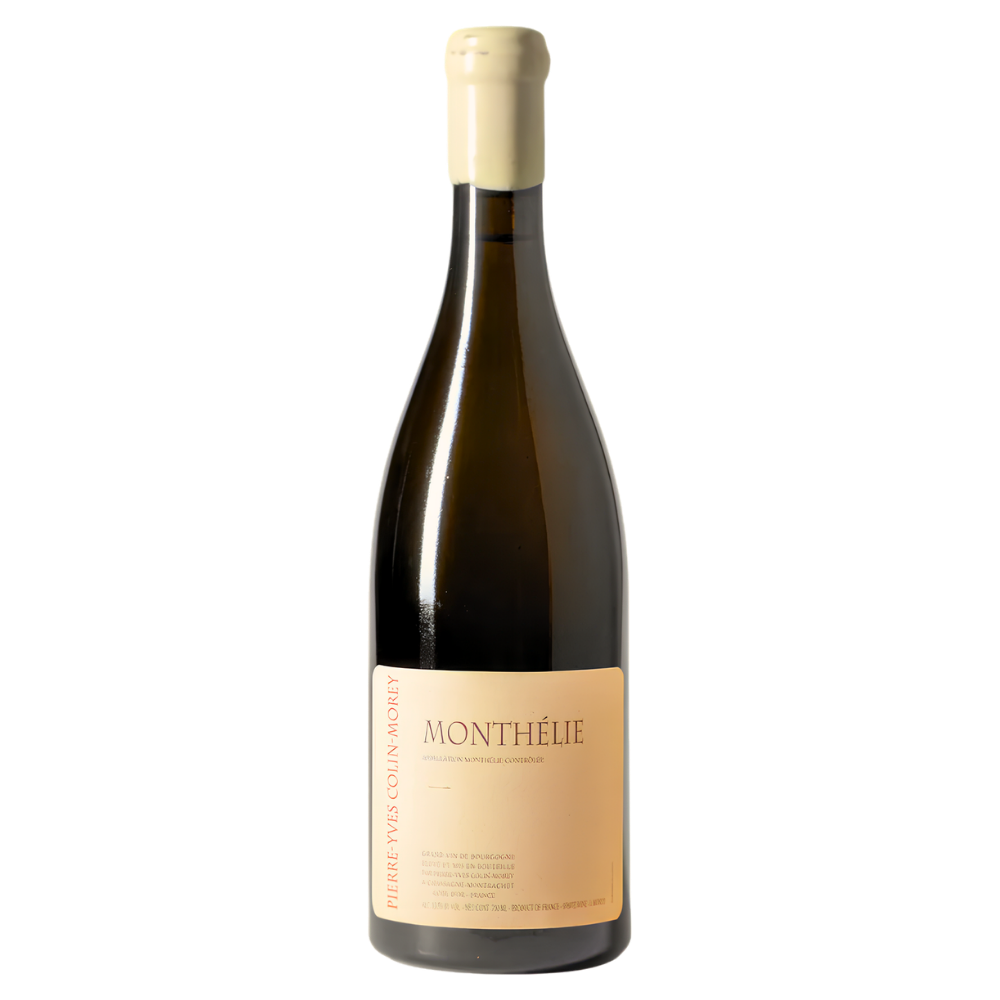 Image 1 of 1